

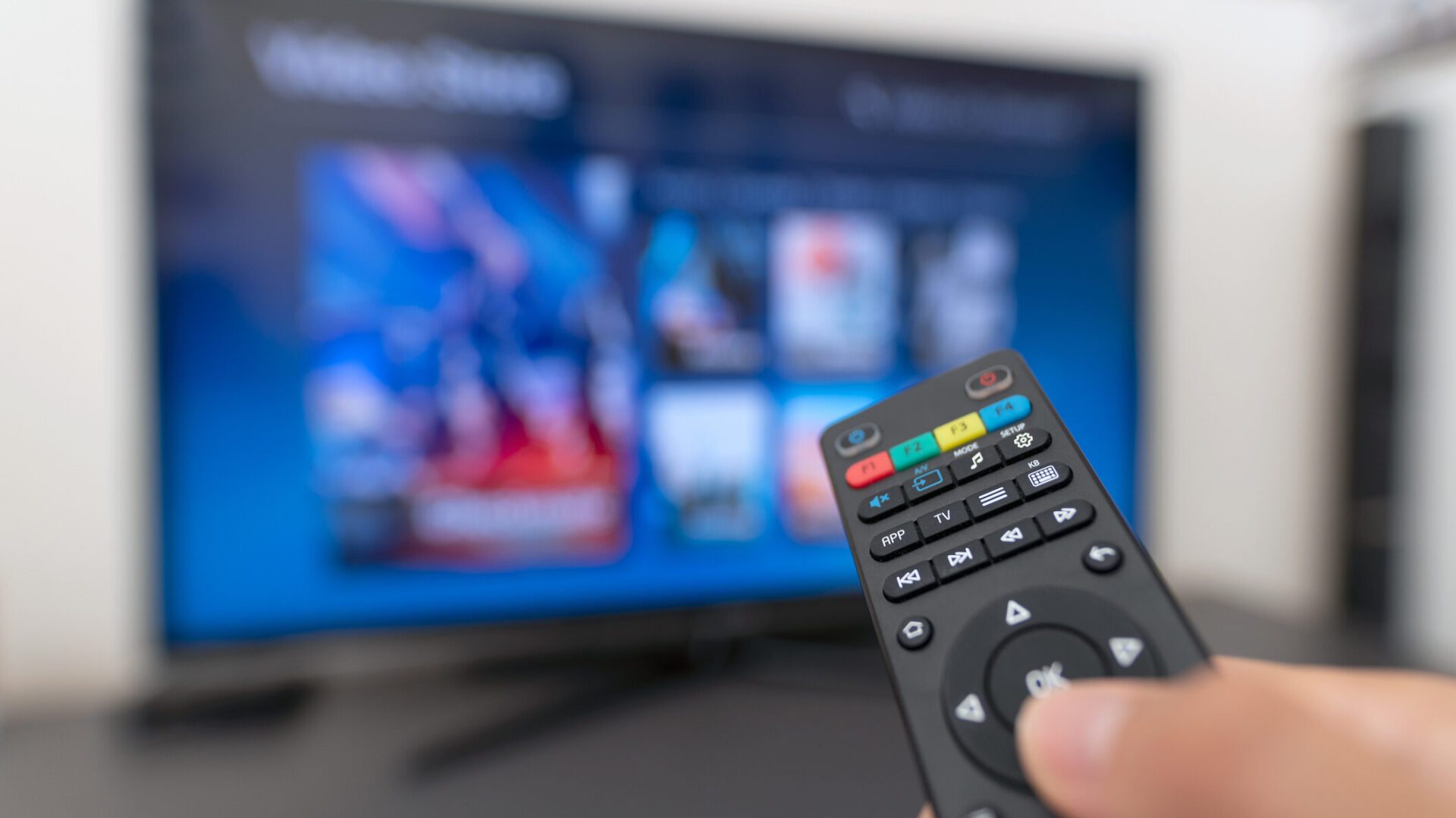
When television was introduced to the world, it revolutionised the dissemination of information, events, films and provided a link to the world. Today, it is one of the most influential tools of communication. Every year on 21 November, World Television Day is commemorated to mark its influence and importance in society.
How World Television Day came about
Television became an important tool that not only provided a link to social events at home and abroad, but also served as a form of entertainment. Its influence on people was so immense that experts became interested in it. In 1996, the United Nations held the first World Television Forum, during which experts and media from around the world explored the impact on public opinion and international relations. Thus, the idea was conceived to establish an event that would celebrate the functions of television. Consequently, the United Nations General Assembly proclaimed 21 November as World Television Day.
How World Television Day is celebrated
This day is commemorated annually by television stations as well as various institutions around the world. Special debates and programmes are broadcast on the role of television in our lives. Various statistics are also published. The average daily TV viewing time globally is around 3 hours for individuals aged 15 and over. In the Czech Republic, the average daily time spent watching television is around 3 hours and 4 minutes for individuals aged 15 and over. Approximately 86% of Czechs, i.e. about 7 million people, watch TV at least once a week.
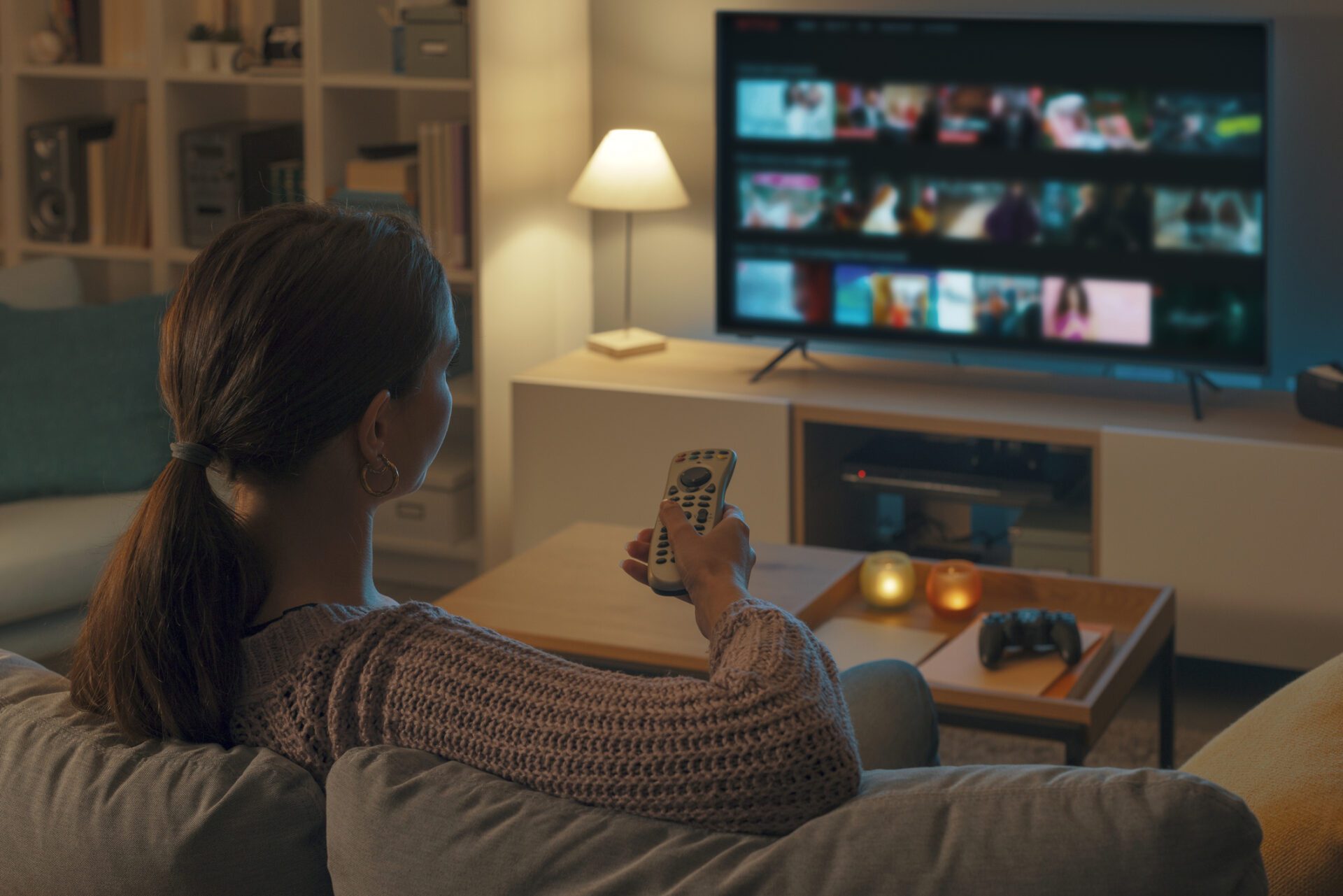 ━━ Streaming platforms are very popular today.
( Source: demaerre / iStockphoto )
━━ Streaming platforms are very popular today.
( Source: demaerre / iStockphoto )Television as a tool for change
Although there are many benefits of television, the negative aspects are often discussed. Frequent viewing is linked to a sedentary lifestyle, which leads to health problems. According to the WHO, people who spend more than 4 hours a day watching TV have a 33% higher risk of obesity and cardiovascular disease. There is also talk of a psychological impact. If a person is exposed to a high number of negative information and events, they feel increased tension and depression.
Changes in TV in modern times
The modern era offers more forms of viewing than just sitting in front of a TV screen. A major benefit is that individual stations can be watched online. It is reported that about 40% of people watch shows online. However, real-time viewing is gradually declining as the younger generation in particular prefers streaming platforms that offer a plethora of films and series.
World Television Day shows that this medium still has a significant impact on our lives and is still evolving. Despite its various negative aspects, it is one of the most popular forms of entertainment.


 Šárka Cvrkalová

 L. Novak
 O. Müller
