


All of us have brought home a plastic package of minced meat from the store at some point. And every one of us also knows that after tearing the plastic wrapper, not only meat but also a small piece of white paper is waiting for us in the box. But do you know the purpose of this item in the whole package? You might be surprised.
When I asked a few of my friends, out of curiosity, no one had a clue. While guesses were made, with the most common being that it was probably a piece of paper to absorb excess moisture from the meat, no one could answer 100% completely correctly. After reading this article, you will finally know the truth.
Meat nappy
You’ll most often find this little piece of paper in packages of ground meat, but it’s usually found in other meat products or fresh foods as well. In English it is called a meat diaper, which literally means meat diaper. And that’s how the paper works. So the answer about absorbing excess liquid was partly correct, but it is important to know the details.
Raw meat (especially ground meat) releases liquid during storage. This can contain Salmonella and E. coli bacteria, which must not simply accumulate under the meat, as they would then completely infect the entire meal. In addition, the paper has another practical use: the liquid is unpleasant for many people to see and touch, as it resembles blood. This makes the product more acceptable for people to process.
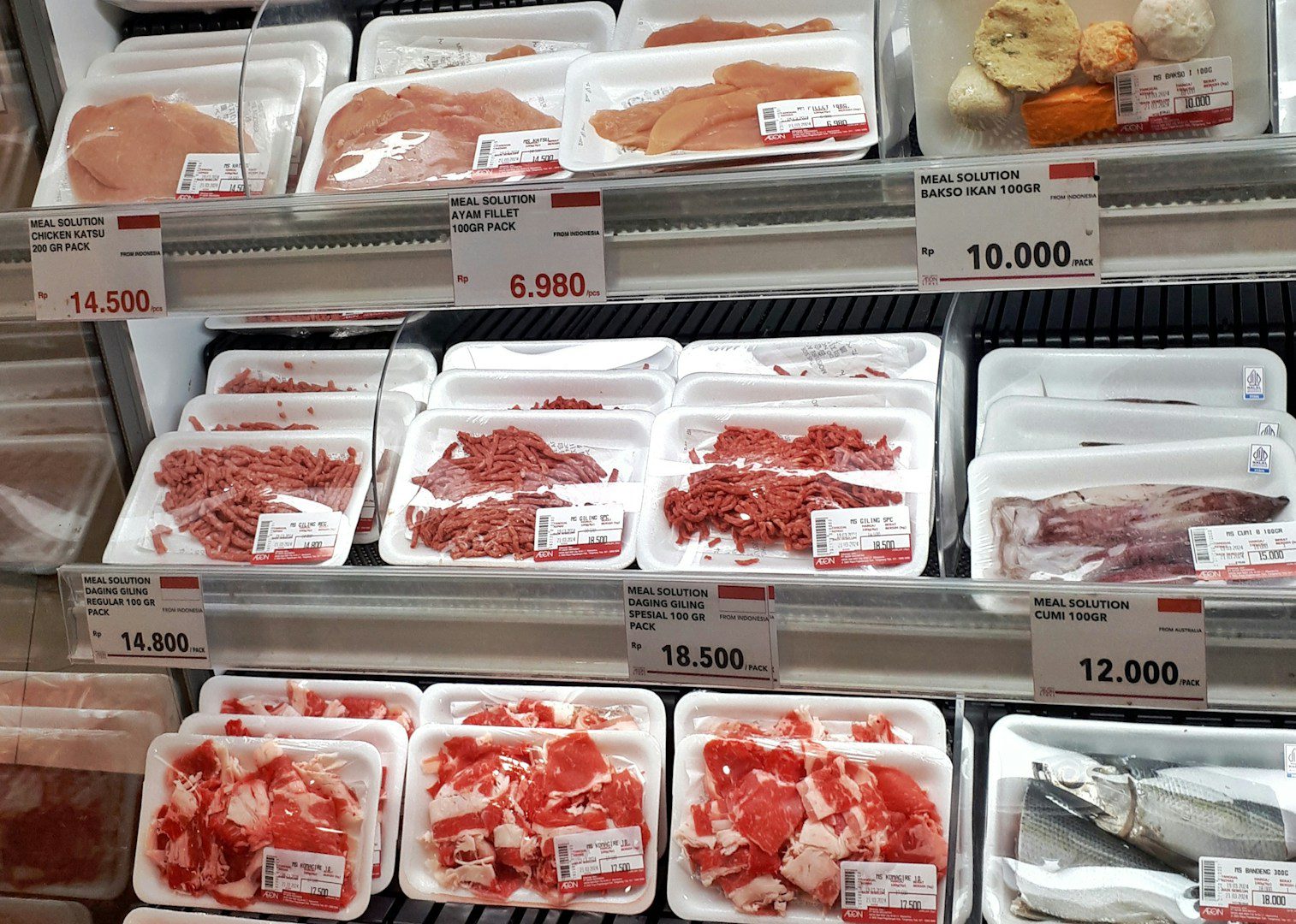 ━━ Not only minced meat has absorbent paper in the package. It is also very often found in other meat products.
( Source: Fitri Ariningrum / Unsplash+ )
━━ Not only minced meat has absorbent paper in the package. It is also very often found in other meat products.
( Source: Fitri Ariningrum / Unsplash+ )Reduces the risk of contamination of the work area
The insert in the meat packet is not actually paper. It is either cellulose (purified vegetable fibres) or silica gel, which quickly absorbs moisture. Around the absorbent layer is an impermeable plastic film which, once the water has soaked in, prevents it from leaking back out.
This prevents water from dripping out of the “diaper” later. If this were to happen, the bacteria could not only get back into the meat, but also, for example, onto the kitchen counter and into the other food we prepare on it. The York State Department of Health literally states that even a single drop of juice from meat can contain enough bacteria to cause serious illness, which is why guidelines for working with liquids in meat are very important.


 A. Urban
 L. Novak
 O. Müller