

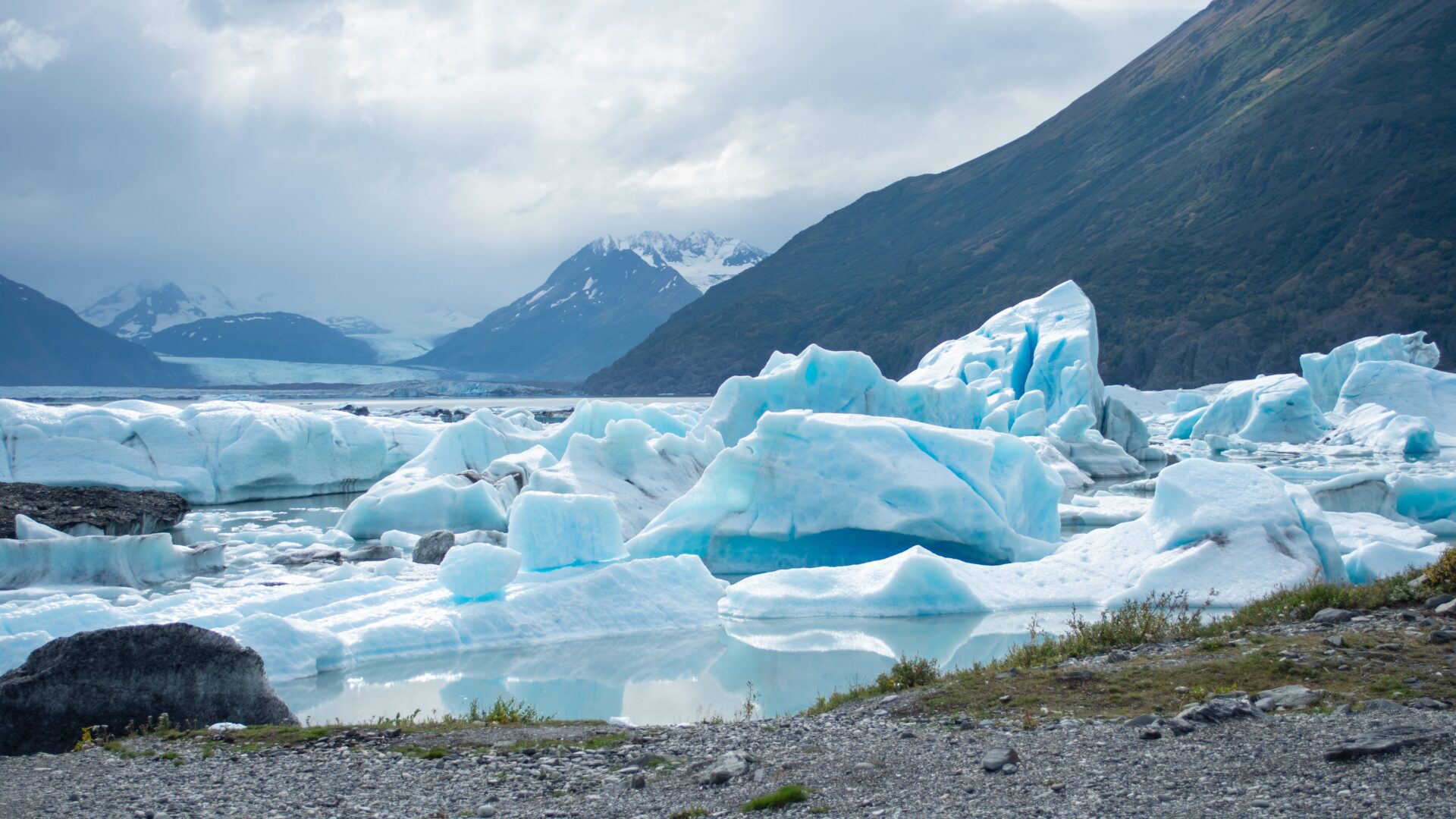
We hear from all sides that the planet is warming. This should logically, in my humble common sense, mean that the glaciers are melting. When it’s warm, ice turns to water. Every little kid knows that. But some glaciers are getting bigger, and very fast. How is that possible? Is the warming of the planet a conspiracy theory or a lie? Scientists are looking into the subject.
Glaciers are retreating
It is true that there are hundreds of thousands of glaciers in the world that are retreating due to global warming. The Alps could lose most of their glaciers by 2100. However, this is not true for the 3,000 or so ice tongues that are moving forward. And even at a breakneck speed of tens of metres a day. That’s a lot of glaciers.
Harold Lovell of the University of Portsmouth and his team have been looking at whether there are any underlying commonalities or regional concentrations among the growing glaciers. The research group evaluated satellite imagery and in situ measurements on a global scale. They found that most of the fast-growing glaciers are in the Arctic and subarctic, the Himalayas and adjacent areas. And to a lesser extent in the Andes.
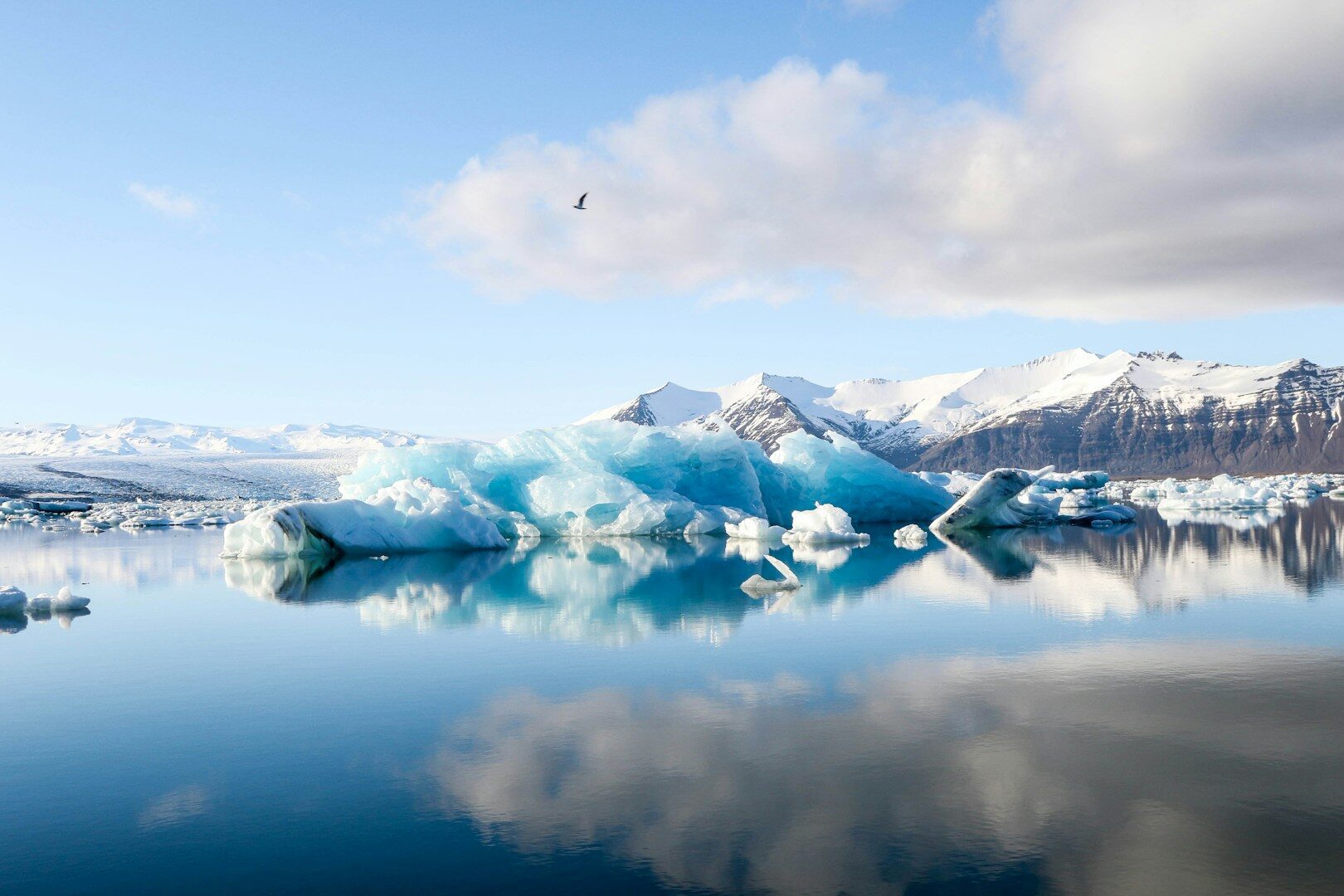 ━━
( Source: Jeremy Bishop / Unsplash+ )
How can scientists be sure?
Scientists used satellite images taken in 2008 to analyse the extent of the ice in about a quarter of the mountains, and compared them with photographs taken in 1999. Using this simple method, they then found that the glaciers are growing by an estimated 0.36 to 0.72 feet per year.
Experts also know that snowfall and temperature also cause the change in size. But no one is sure why these Himalayan glaciers are growing while others are melting. Scientists, however, have a few ideas. Stephan Harrison from Britain’s University of Exeter thinks it may have something to do with avalanches from nearby mountains that can form ice. Others think it could be because the climate in the Karakoram Mountains is cooling even as the rest of the world warms. “Records from weather stations between 1961 and 2000 showed an increase in winter rainfall and a decrease in average summer temperatures,” PlanetSave reports .
Where the truth lies is not clear. What is clear is that it is actually happening. Personally, I’m leaning towards the theory that the growth of glaciers has something to do with avalanches from nearby mountains that can form ice. This theory by Stephan Harisson makes sense to me. On the other hand, I do not think that one part of the world is cooling and the temperature is rising steadily in other parts of the globe. I don’t believe it, although there are weather records to support this theory.
The glacial life cycle
The amount of precipitation, avalanches or wind-blown snow is important to the survival of a glacier. A glacier forms when snow accumulates over time and turns to ice. Under the pressure of its own weight, it begins to flow outwards and downwards. In their upper parts, glaciers accumulate more snow than they lose by melting, evaporation or scaling. If the accumulated snow then survives one melt season, it forms a denser and more compressed layer called firn.
Each year a new accumulation of snow compacts the underlying layers and the snow grains become ice crystals. The ice crystals can then grow to several centimetres. As compression continues and the crystals grow, the air spaces shrink and become small and insulated. Compaction compresses more of the air spaces out of the snowpack and compacts the remaining air into bubbles.


 Šárka Cvrkalová

 A. Urban
 O. Müller

