

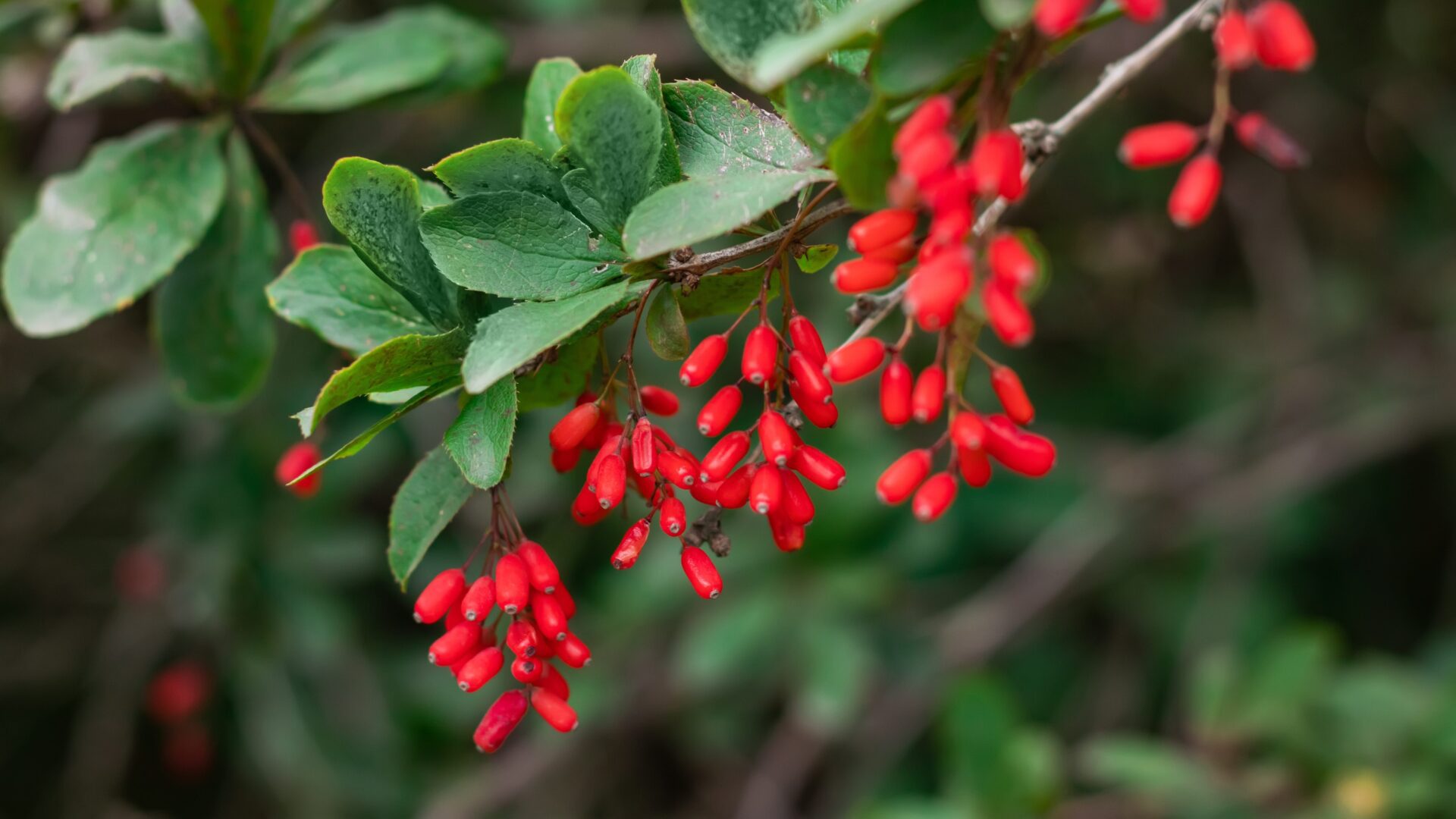
The more Japanese knotweed growing on a property, the more likely it is that Lyme disease-carrying ticks are also present. Unfortunately, this is not an unsubstantiated claim, but the result of a study. If you have a woodchuck on your property, you’d better get rid of it.
Carriers of Lyme disease
A study by Amber L. Pitt, associate professor of environmental science and biology at Trinity College, and Krista Ehlert, assistant professor at South Dakota State University, found that the abundance of Japanese knotweed directly correlates with the abundance of common ticks and white-footed mice.
White-footed mice are the carriers of Lyme disease, while common ticks are the vectors. Scientists have found that habitat management can reduce the abundance of Lyme disease-carrying species and help reduce the spread of the disease.
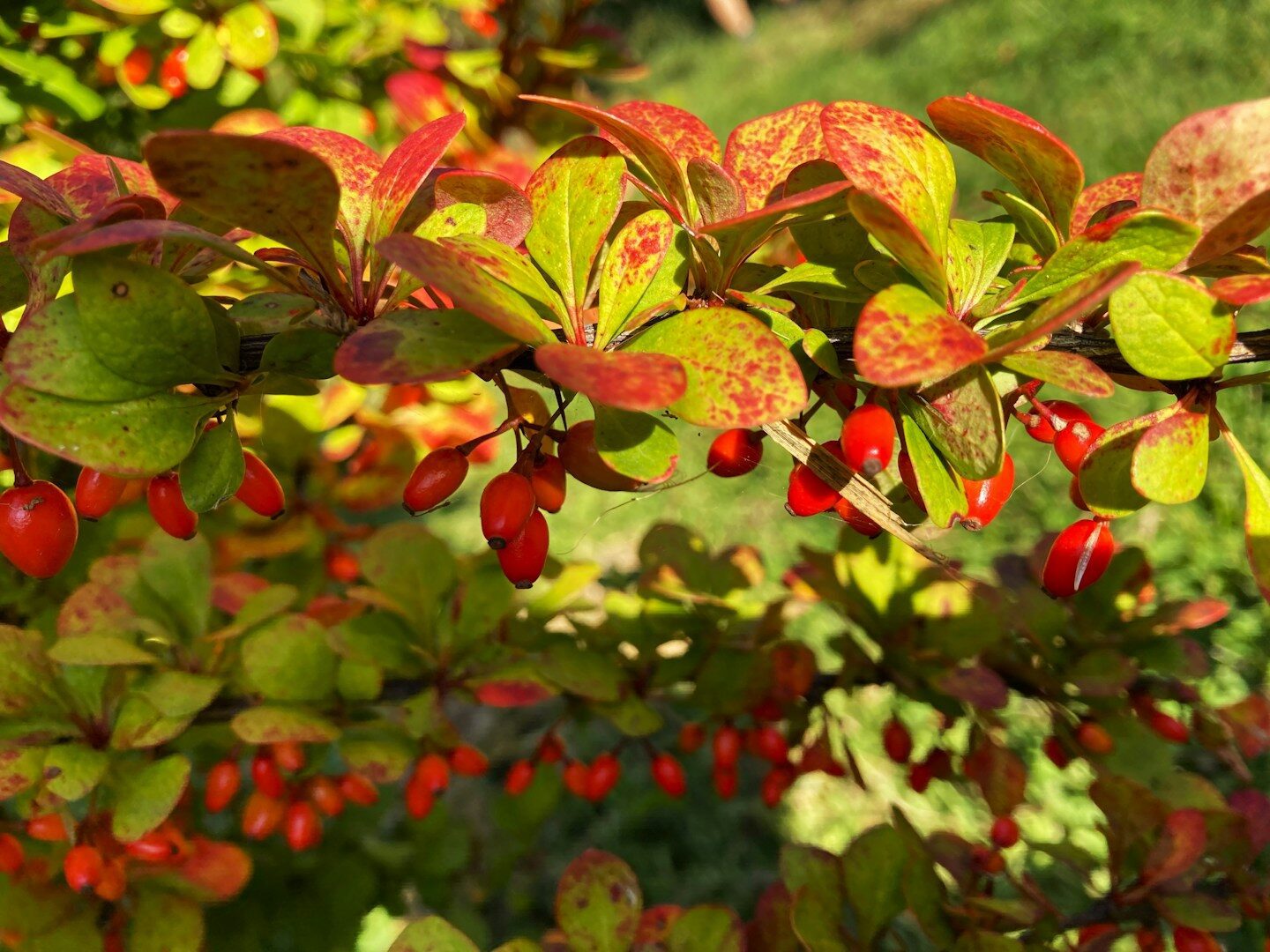
In total, the researchers collected 55 blacklegged ticks: 38 in full habitat with barberry, 11 in partial habitat with barberry, and 4 in habitat without barberry. For white-footed mice, they collected 43: 29 in the full habitat with barberry, 16 in the partial habitat with barberry and 1 in the area without barberry.
To me, the results of the study are really disturbing. Lyme disease is one of the diseases I am really afraid of. I protect myself and my children from ticks with various sprays. But I’m well aware that a tick can still attach itself to our skin. It worries me that there is no vaccination against this disease. Fortunately, times are looking up. After years of research, a vaccine against Lyme disease could finally be on the market.
 ━━
( Source: Ronin / Unsplash+ )
━━
( Source: Ronin / Unsplash+ )What does it have to do with ticks
The dense growth of Japanese knotweed provides an ideal environment for ticks. The shrubs are dense and therefore provide low light and high humidity for the ticks. This allows the bacteria that cause Lyme disease to thrive on small mammals such as mice. These are bitten by the ticks, which pass the disease on.
What can you do?
We can all prevent ticks, and hence Lyme disease, by avoiding planting Japanese knotweed or removing it from our gardens. Yes. Japanese knotweed is very beautiful to look at. But beauty is not everything. If you want beautiful flowers in your garden, choose an alternative.
What is Japanese dogwood
An invasive plant, it was originally thought to be a suitable substitute for the common dogwood. It was once abundant in the United States but has been partially eradicated because it is an alternative host for the fungus Puccinia graminis. However, both of these plants are regulated in Wisconsin, for example, by the NR40 invasive species rule.
Which plants still attract ticks
Of course, woodruff is not the only plant that attracts ticks. There are a number of such plants and we should be vigilant. Being in nature has many benefits, but it also takes caution to protect our health.
Which plants attract ticks:
- Tall ornamental grasses. They provide ticks with a ladder. Choose shorter ornamental grasses instead.
- Goldenseal. It is dense and traps moisture. Winter jasmine, which is more open, is preferable.
- Japanese honeysuckle. Forms a dense ground cover. Choose native trumpet honeysuckle instead. It’s not invasive.
- Pachysandra. It is dense and has a carpet-like growth that blocks the sun. An alternative is scented honeysuckle.
- Climbing ivy. Provides moisture at ground level. Consider creeping myrtle instead.


 Šárka Cvrkalová
 A. Urban

 O. Müller
