

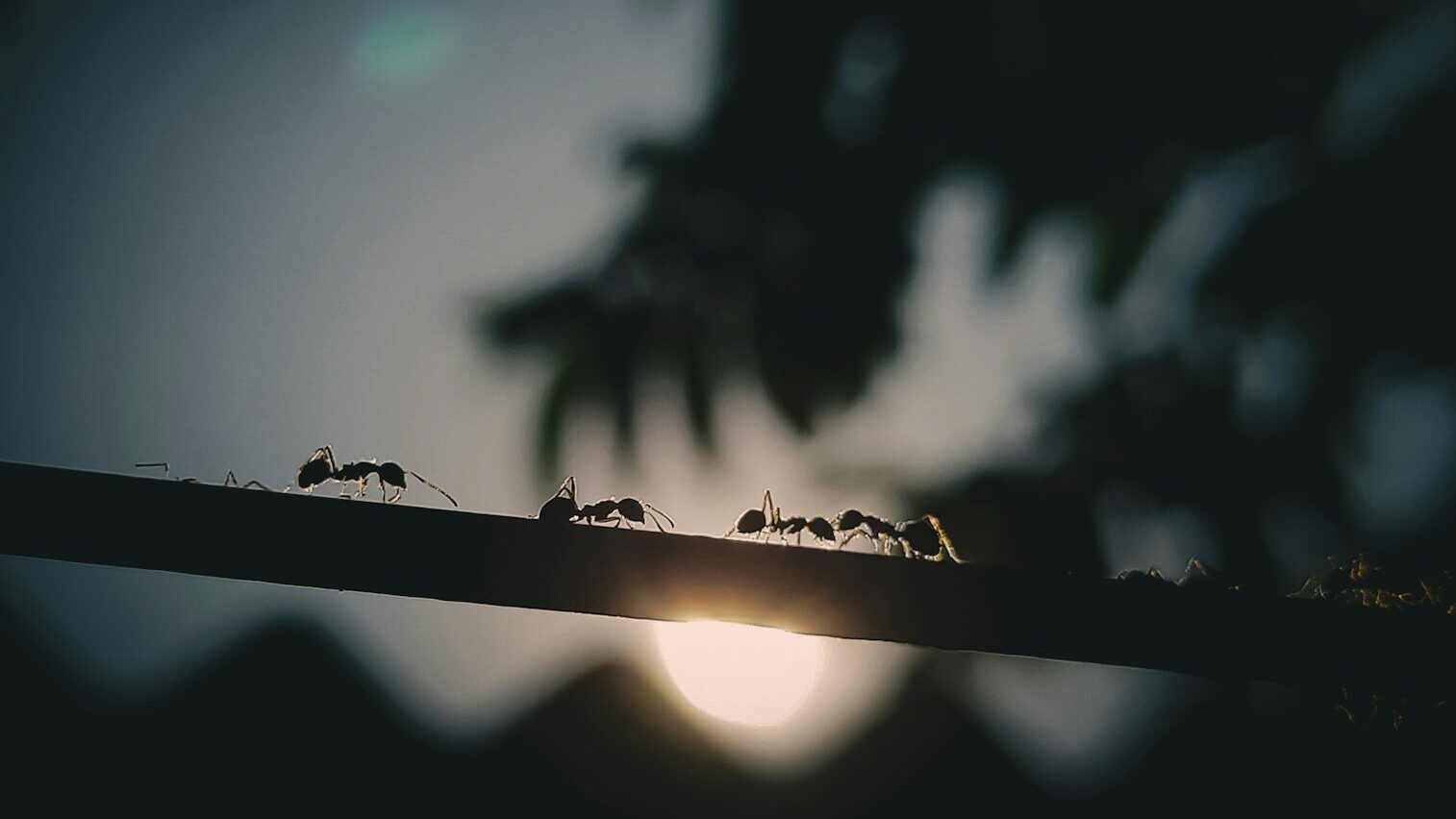
It is really very unpleasant to sit in the grass in the park and find that you have chosen a place full of ants. It’s even worse when something like this happens in your garden at home. From my own experience, I know that the absolute worst way to deal with ants is in the home. If you try to get rid of them in time, you may be able to do it with sprays from the chemist. Unfortunately, that didn’t work for me and it wasn’t until the exterminator came out that it helped. Although I don’t wish similar experiences on anyone, in Germany, household ants have been spreading significantly lately. And people are often to blame.
Experts are increasingly warning about the spread of an aggressive ant species that is highly invasive and can destroy the technical infrastructure of buildings. The insects are most often transmitted by purchased plants, soil and seedlings. Careless people can be said to be to blame.
A supercolony with millions of individuals
Tapinoma magnum is a large glandular ant native to the Mediterranean. But it has been spreading in Germany for many years. It was first detected in 2009 and since then has been most common in Baden-Württemberg, Rhineland-Palatinate and Hesse. Experts warn against the entry of these ants into buildings. They can nest in places that pose a risk to technical infrastructure. In addition, these insects are very aggressive and biting.
Supercolonies of ants can number from hundreds of thousands to millions of individuals, warns entomologist and ant expert Manfred Verhaagh. The species is cold-resistant, adapts well to urban environments and often spreads with the import of ornamental plants. Experts warn that the size of the colonies makes its complete eradication very difficult.
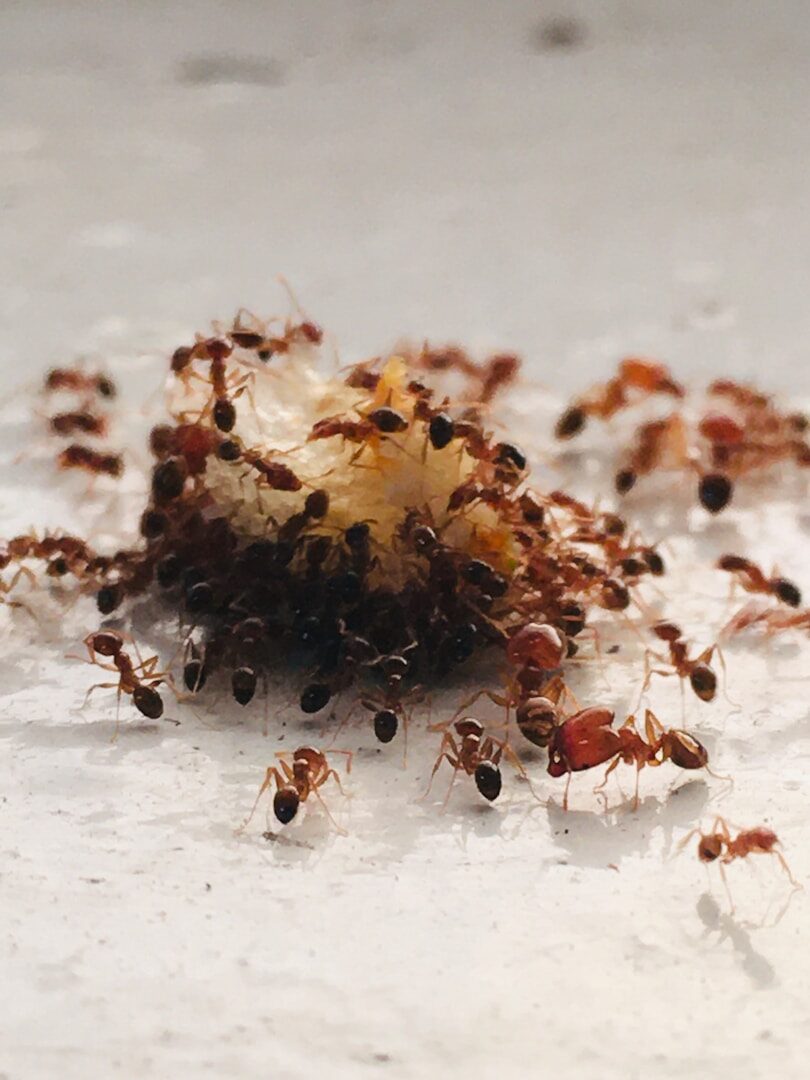 ━━ Often, people themselves are to blame for ants breeding in their homes. Experts warn against invasive species regularly.
( Source: Marco Neri / Unsplash+ )
A threat to other Central European countries
Experts warn that Tapinoma magnum may appear in Central Europe in the coming years, including the Czech Republic, Poland and Austria. The ants most often arrive in new areas with imports of ornamental plants, especially olive, palm, citrus or oleander trees, whose roots contain contaminated soil. It is the trade in garden plants that scientists point to as the main reason for its expansion across Europe.
At home, as a precaution, I check the roots of all the flowers I import from the garden centre when planting. If someone gives me a plant whose origin I do not know, I am several times more careful. And this is exactly what the experts say is the best defence. Small piles of dirt, dense ant trails or unusually large numbers of ants around a pot can be suspicious. Experts recommend isolating new plants from others for a few days.
If Tapinoma magnum appears in the home or garden, experts do not recommend routine home extermination. This may help in the case of other ants (although in my experience it often doesn’t even in such cases). However, colonies of this species can have millions of individuals and hundreds of queens, so surface sprays will often only temporarily hide the problem. The important thing is to contact a professional extermination or disinfestation company as soon as possible to prevent further spread.


 A. Urban

 L. Novak
 O. Müller

