

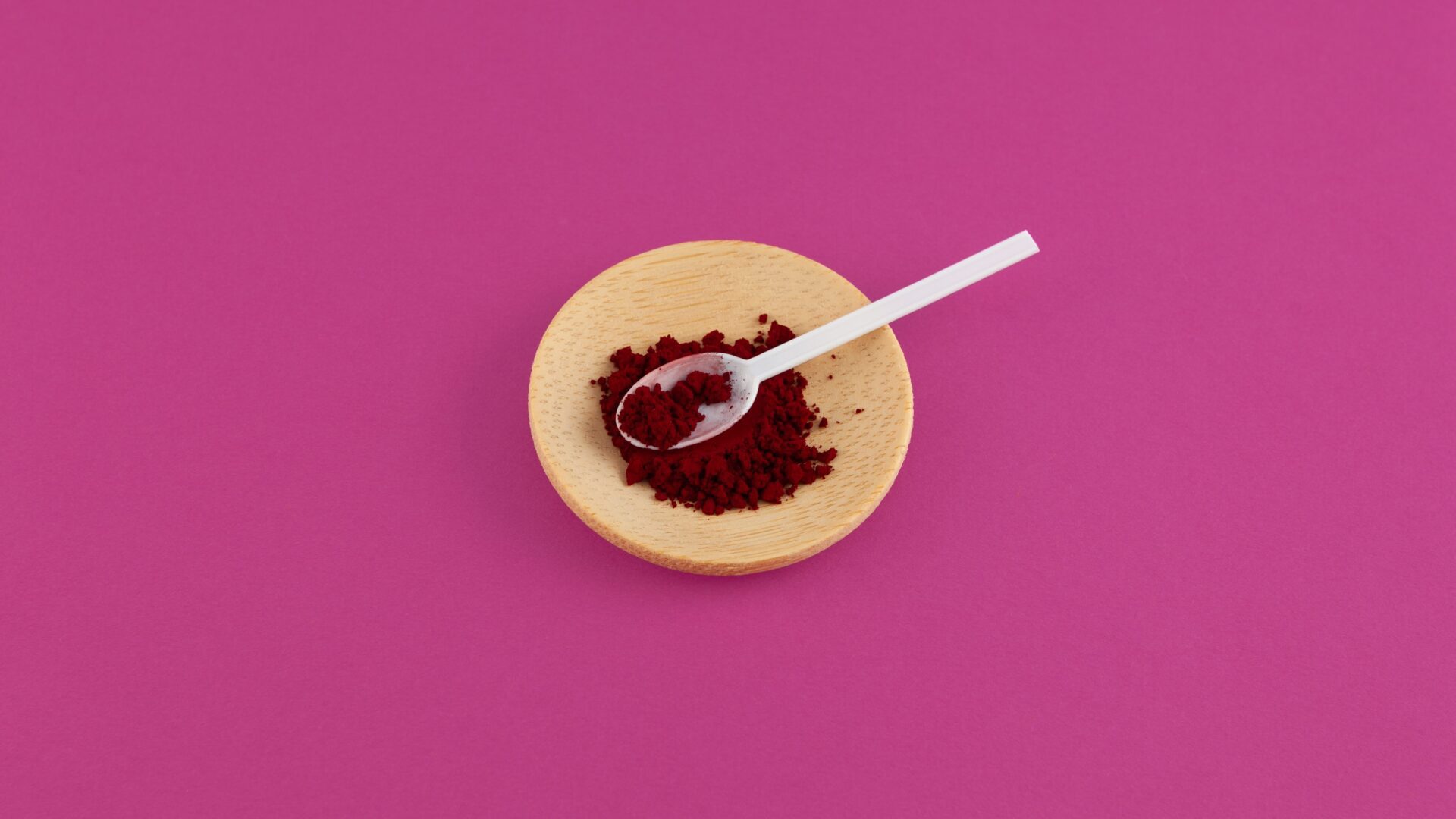
The United States has banned the use of the red dye E127. This is a substance that is present in Europe in cocktail cherries, marmalades and confectionery. Experts have been warning about the potential effects for years.
Erythrosine as a hazard
E127 is erythrosine. It is a red synthetic dye that is still allowed in the EU, but only for limited uses related to cocktail cherries. In non-EU countries, however, it can be found in jams, jellies, wafers, lemonades or confectionery. It is also found in dog food, toothpaste and medicines. It is currently banned in the USA. The reason is simple. The problem is that repeated animal studies have shown the effects of the dye on the thyroid gland and the findings of thyroid tumours in rats, and these findings were so serious that the FDA revoked the food’s approval under US law.
Even before the US, California banned the dye three years ago. However, although the US state decided on the ban in 2023, it is not effective until 2027.
Where the substance appears
In the European Union, erythrosine is used in some canned or candied cherry products. It is not used throughout the food industry. Historically, however, it was used under the name Red 3. The situation is also similar to that in Europe in Australia, New Zealand and China.
So the Americans have now banned the substance completely. This does not mean that locals can no longer buy products containing the dye. American manufacturers have been given until January 2027 to modify their products to remove this harmful ingredient. A year later, the dye must not even appear in medicines.
What E127 is used for:
- Jellies, lollipops, dragees,
- yoghurt, ice cream, cheese,
- carbonated drinks, syrups, desserts,
- biscuits and cake creams,
- cosmetics (lipsticks, lip glosses, nail polishes).
History of dyes
The synthetic dye gives foods a strong red to cherry colour, but is also used for various shades from pink to red. The dye was discovered in 1876 by Swiss chemist Karl Kussmaul and is currently used in about 3,000 different products in the U.S., from candies, cakes and ice cream to cereals, chewing gum and vitamin supplements.
 ━━
( Source: Karsten Winegeart / Unsplash+ )
━━
( Source: Karsten Winegeart / Unsplash+ )How dye can harm
According to research conducted back in 2010 by the Center for Science in the Public Interest, erythrosine has been shown to be a carcinogenic and genotoxic dye that causes behavioural problems, especially in children. A 2014 study on the health effects of E127 showed that erythrosine can cause side effects such as learning difficulties or photophobia. It has also been reported to have a destructive effect on the liver, heart, thyroid and stomach. Later on, fertility problems may also become apparent due to this substance.
The reason for the ban in the US is the results of two studies which showed that high doses of this dye cause hormone-induced thyroid cancer in male laboratory rats. Although the FDA stresses that this mechanism does not occur in humans and that normal consumption represents a much lower exposure than in the tests, it must nevertheless ban any additive that has been shown to be carcinogenic to animals or humans under the so-called Delaney Clause of 1960.
Interestingly, the FDA banned the use of this substance in cosmetics and drugs applied to the skin as early as 1990. “It is ironic that a substance that was banned in lipsticks could be legally given to children in candy for so long,” noted Peter Lurie, director of the Center for Science in the Public Interest.
What’s the deal with “école”
At one time, the content of ethers in food and cosmetics was a rather big concern for everyone. But not all substances that are labelled with the letter E are harmful. It’ s always a good idea to read the ingredients in detail and find out what each number stands for. You don’t have to be scared that where there is an E, you can’t eat it without worrying.


 Šárka Cvrkalová
 A. Urban

 O. Müller
