

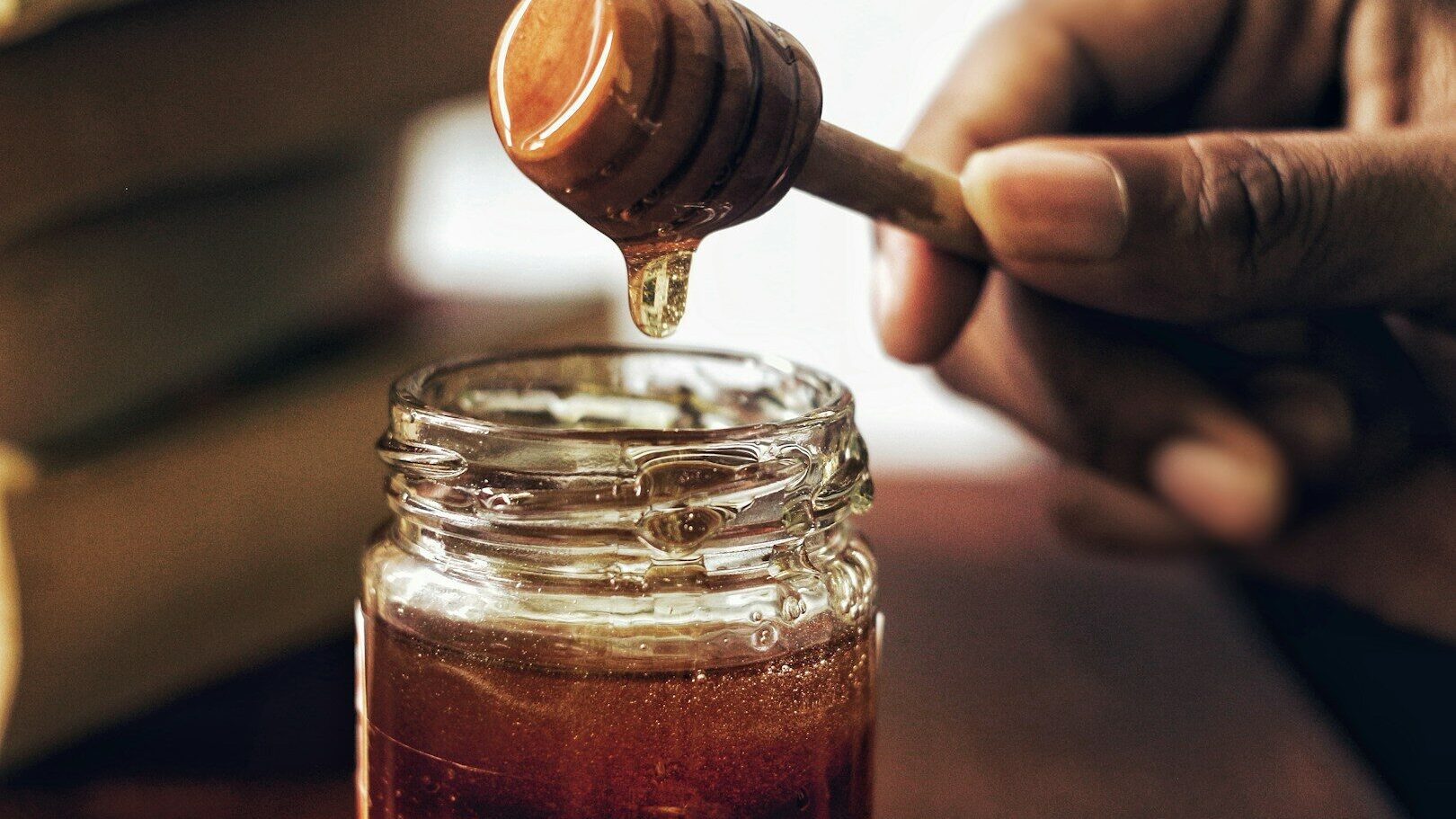
In my opinion, honey is an ingredient that everyone should have at home. But there are two extremes and I have them both among my friends. The first is the person who doesn’t have honey at home. One of my friends recently surprised me with this and I had to put sugar in my tea, much to my displeasure. In the second case, I visited a friend who, when asked if he had honey, replied, “What kind do you want?” He showed me a cabinet with about five kinds of honey. I had no idea there were so many. But this knowledge is definitely useful, especially now that the European Union is introducing new stricter rules for the sale of this food.
In particular, the changes concern what products can still be sold under the term ‘honey’. Indeed, from mid-June 2026, the foods we know as honey will have to carry a different label. How exactly will the names of honey change and why?
The new rules and the quality of honey
The changes that will take place in June are the result of a decree of the Minister of Agriculture of 10 December 2025. This updates the rules on the sale of honey that have been in place since 2003. There will be stricter criteria that the product must meet in order to be sold directly as honey. Products that undergo intensive filtration will suffer the most.
If not only the impurities but also a large part of the pollen have been removed from the honey, the product will no longer be sold under the label ‘honey’ but, for example, as ‘filtered honey’ or ‘honey preparation’. These products are very clear and aesthetic. Their shelf life is improved, but their quality is reduced, and the honey is deprived of its essential natural properties.
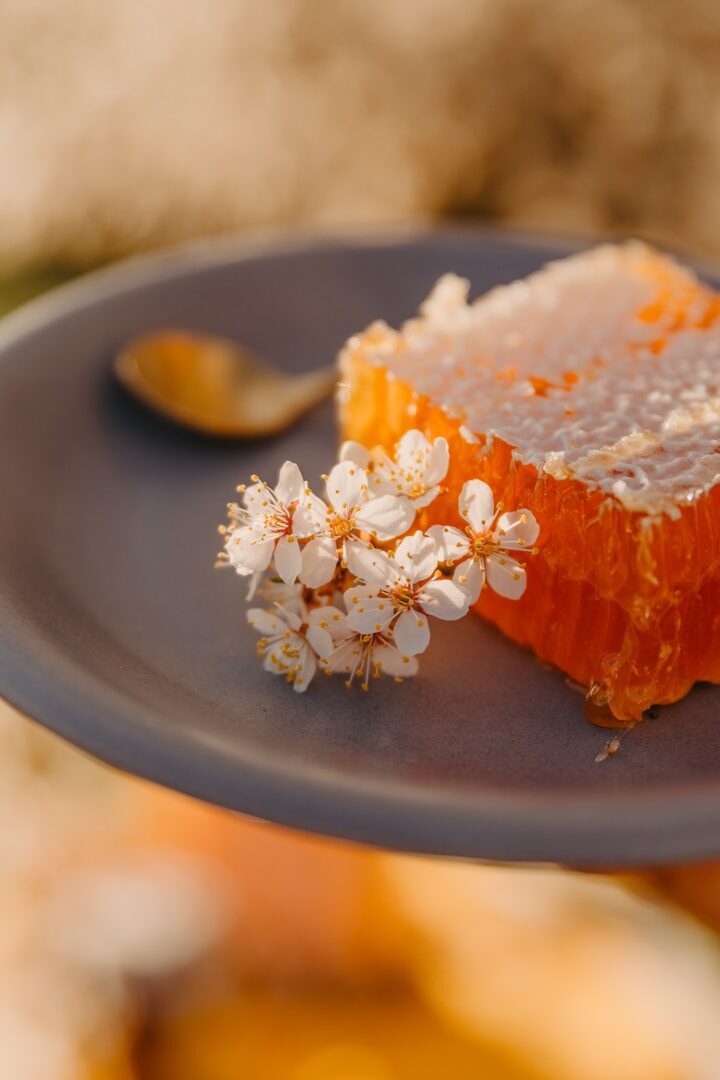 ━━ The rules for the sale of honey will change from the first half of June 2026.
( Source: Anita Austvika / Unsplash+ )
━━ The rules for the sale of honey will change from the first half of June 2026.
( Source: Anita Austvika / Unsplash+ )Pollen as an identifier
Pollen plays a very important role in the identification of honey. Its absence complicates authentication and facilitates the sale of poor quality and adulterated foods. The new regulations, which will come into force on 14 June 2026, are intended to make people more aware of what they are buying, to protect the health of buyers and to prevent the sale of cheap substitutes that may be of poor quality and harmful. Products placed on the market before this date can continue to be offered while stocks last.
For consumers, the whole change means greater transparency, clarity and certainty about quality. “Authenticity of honey is essential to ensure consumer confidence and product quality, as adulteration and mislabelling are widespread in the global market,” explains the 2022 study. The changes are part of an EU regulation known as the “breakfast directive”. In addition to honey, they also apply to fruit juices, jams and dairy products, for example.


 A. Urban
 L. Novak
 O. Müller
