

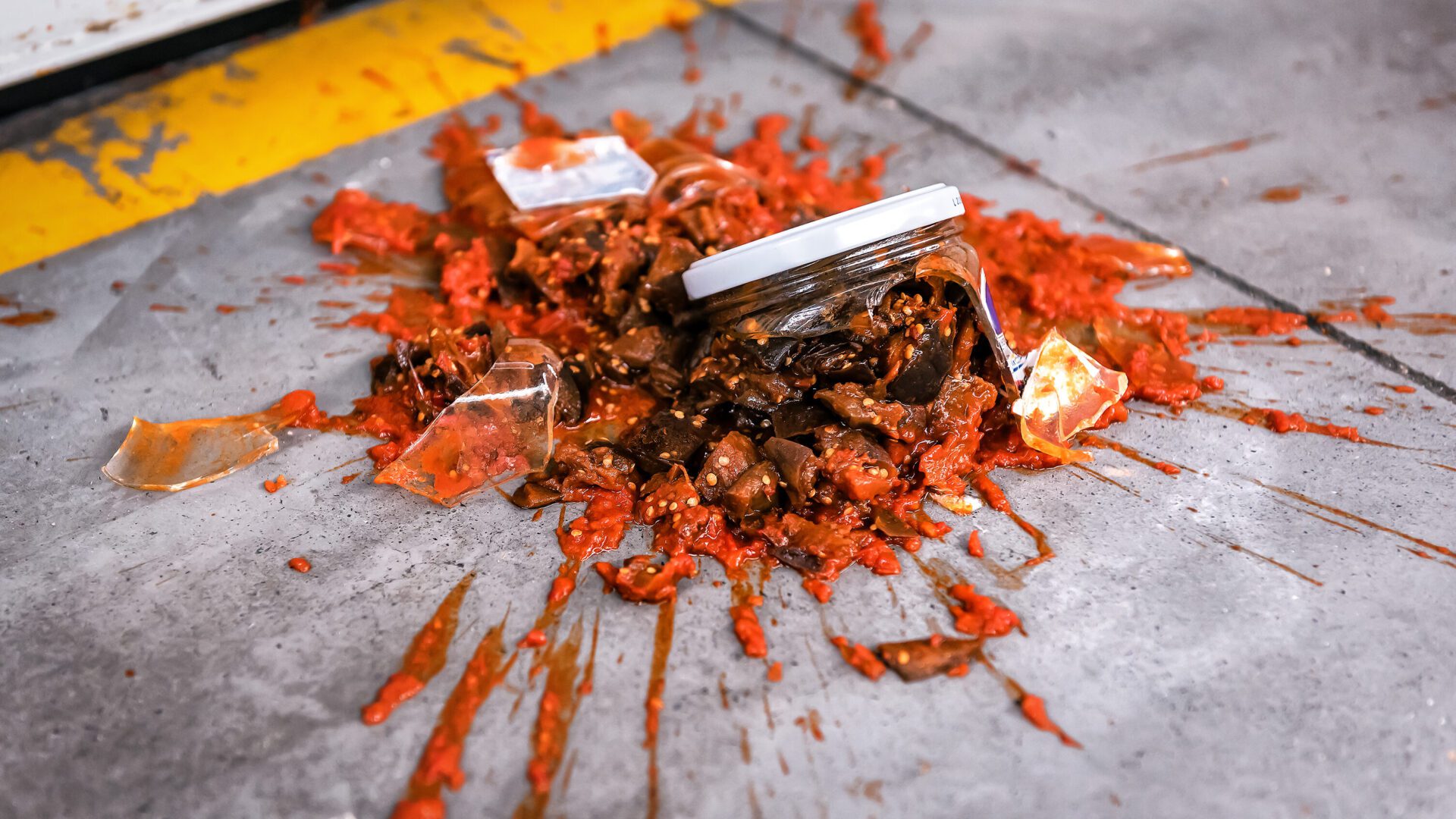
I recently came across a post on Facebook that talked about an unpleasant situation in a supermarket. An elderly man, who was already moving around badly, accidentally knocked an item off the shelf and it broke. The commotion he caused immediately drew attention to him. The store went silent and everyone looked on.
Unpleasant moments
The old man was uneasy. He had barely enough money to buy anything and felt humiliated. He was ashamed of what had happened to him. A shop assistant came in and started shouting at him about paying for it and who was going to clean it up. He was helped out of the situation by a woman who took the blame and assured the clerk that she would pay for the goods. In the end, she said she didn’t have to pay anything, but was glad she helped the old man in such an unpleasant situation. The shop assistant apologized that she said it in an affectation because she was upset by the mess. A discussion ensued under the post about whether or not it was necessary to pay for damaged goods. Most people felt that they actually have to pay for the goods they break in the store at the checkout.
Are we liable for the damage
In principle, of course, everyone is responsible for the damage we cause. However, there are exceptions, for example, in the case of dangerously stacked goods. In addition, if the damage is minor, such as a jar of pickles, a cup of yoghurt or a plate of eggs, retailers usually accommodate. They are usually insured against the damage themselves.
In addition, grocery stores generally do not have policies requiring them to pay for broken goods, unless of course the damage was caused intentionally or through gross negligence. That being said, the stores are insured and, in addition, occasional damages are already factored into overhead costs. Legally, you are not obliged to pay unless you are proven to have acted recklessly or intentionally.
 ━━
( Source: Franki Chamaki / Unsplash+ )
━━
( Source: Franki Chamaki / Unsplash+ )It may be different
Of course, customer intent plays a role in the response of any business. If you have an accident in the store, it is advisable to report it to the clerk and resolve the situation amicably on the spot. You can offer a refund out of goodwill. However, if you turn your back on the situation, the shop may use CCTV footage to investigate whether you did the damage deliberately.
However, shops will usually only settle if the damage is really bad. In this case, it’s a good idea to have insurance to cover any damage you cause. This liability insurance is especially recommended for families with children. Children in particular are often still careless and clumsy and can accidentally knock something off the store shelves.
Where they are stricter
Smaller shops that are not insured against accidents can understandably take a stricter approach to customer sanctions. Even then, however, grocery stores typically rely on customer relations rather than enforcing fines for broken goods. Of course, the situation is different in specialty stores that sell, for example, expensive electronics.


 Šárka Cvrkalová
 A. Urban

 O. Müller
