

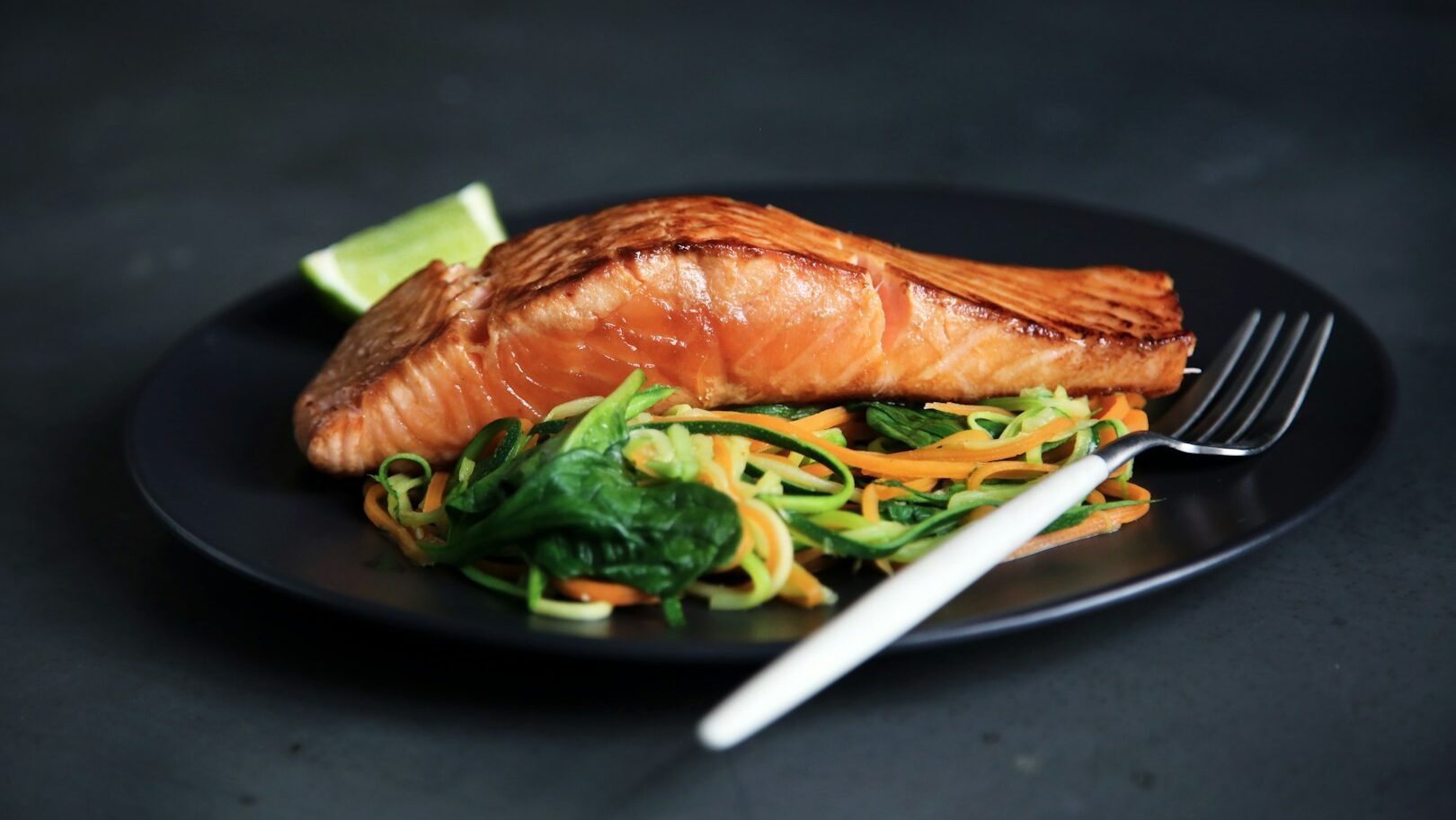
Salmon is a very popular fish. It is tasty and very nutritious. Personally, I love fillet with skin with lemon sauce and potato puree. It has become synonymous with Christmas and everyday life for me. Salmon is a fish available all over the world. However, its farming is strictly monitored and in some places even banned. Some countries consider this fish to be risky. In Poland, it is sold without restrictions.
From the wild and from farms
There are two types of salmon. Wild and farmed. The price of wild salmon is up to four times that of farmed salmon. As a result, wild salmon is often only available at organic food markets or in upmarket restaurants. Today, about 70% of salmon comes from farms. This can be a major risk for consumers.
Salmon farming
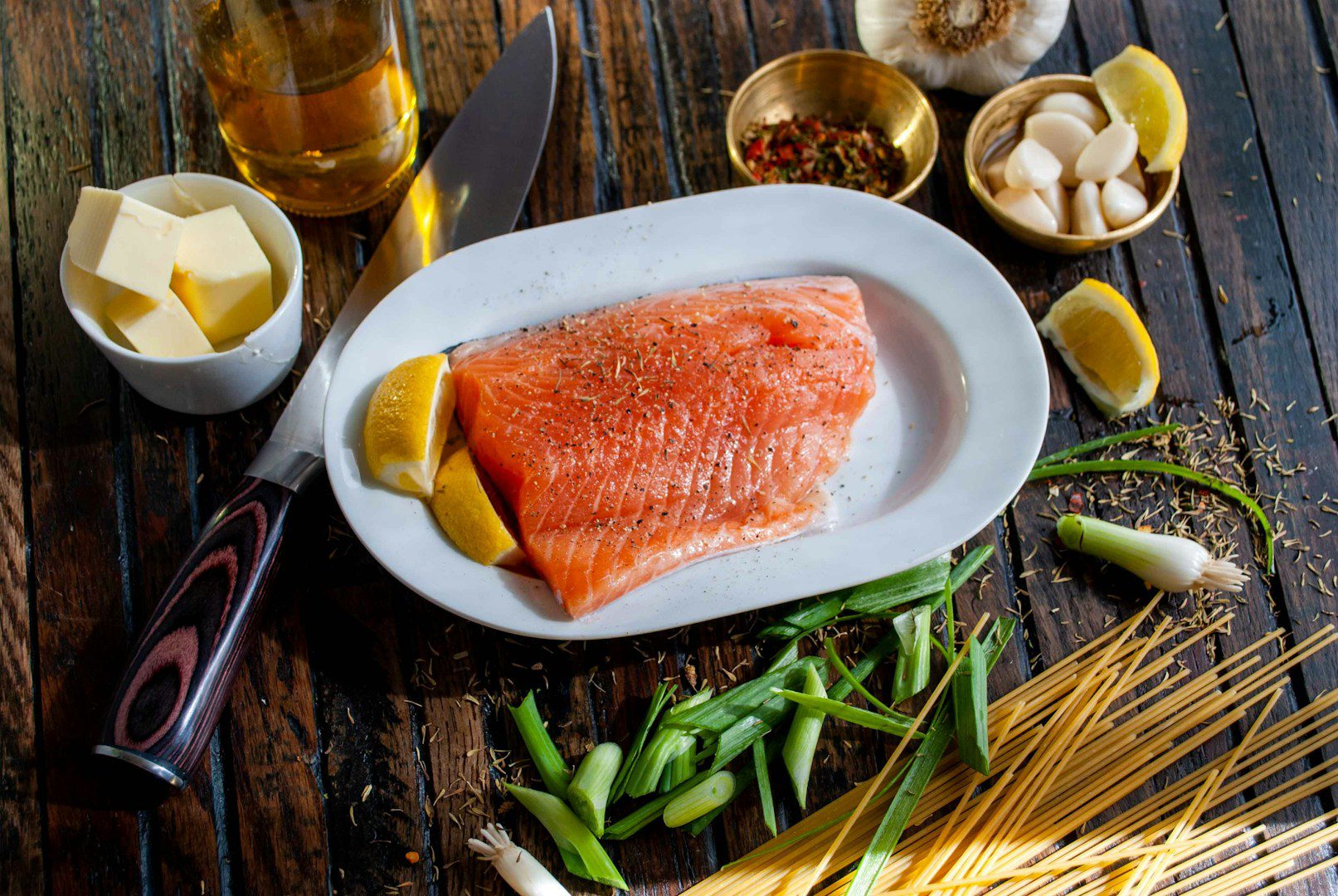
Environmentalists are sounding the alarm and experts are concerned about salmon farming. Norwegian environmental activist Kurt Oddekalv has even described it as a deadly chemical cocktail. The reason is that after about a year of life, the fish are moved into huge sea cages made of nets. One cage can sometimes hold a million fish. But this density encourages disease and parasites like sea lice. Fishermen therefore use antibiotics, anti-parasitics and neurotoxic substances. Even so, some fish don’t live to see the catch. This can be as high as 20% of them.
 ━━
( Source: David B Townsend / Unsplash+ )
━━
( Source: David B Townsend / Unsplash+ )Ban on salmon farming
Some states have banned salmon farming. For example, New Zealand banned the import of Atlantic salmon eggs in 2001. Australia banned the use of the synthetic astaxanthin in the production of these fish five years later. Alaska has banned certain farming methods to minimise the risks to wild salmon. France has restrictions on new farms on the mainland. In British Columbia, Canada, a phase-out of open farms is planned by 2029. The reasons are many. Let’s look at them in detail.
Contaminants – Farmed salmon has higher levels of contaminants such as pesticides and other pollutants that accumulate in the fat of the fish compared to wild salmon.
Antibiotics – It has been suggested that antibiotics are commonly used in farming due to parasites. This raises concerns about resistance.
Synthetic pigments – Salmon is a beautiful pink fish. However, artificially farmed salmon are fed food that turns their flesh pink. This is because they do not consume natural pink-coloured prey. It is not clear whether synthetic pigments are safe.
Ecology – Last but not least, it is about ecology. Farms have been criticized for dumping waste, chemicals and non-native fish into the ocean.
How to weigh the risks
Of course, the concerns are justified. However, there are still some points to consider. Nutritionists agree that the benefits of omega-3 fatty acids still outweigh the potential risks of contamination. Regulations also vary from region to region. European operations have stricter limits on chemicals, but even salmon farmed in the US is considered safe by FDA standards.
If you want to be sure you are eating healthy fish after all, it’s a good idea to look at its origin. So ideally look for organic certification from Best Aquaculture Practices. If you are concerned after reading the risks, swap salmon for trout or another fish , for example. However, it should always be farmed using organic methods. Personally, I only buy fish from reputable sellers and always study the label carefully. Indeed, as with other products.


 Šárka Cvrkalová
 A. Urban

 O. Müller
