

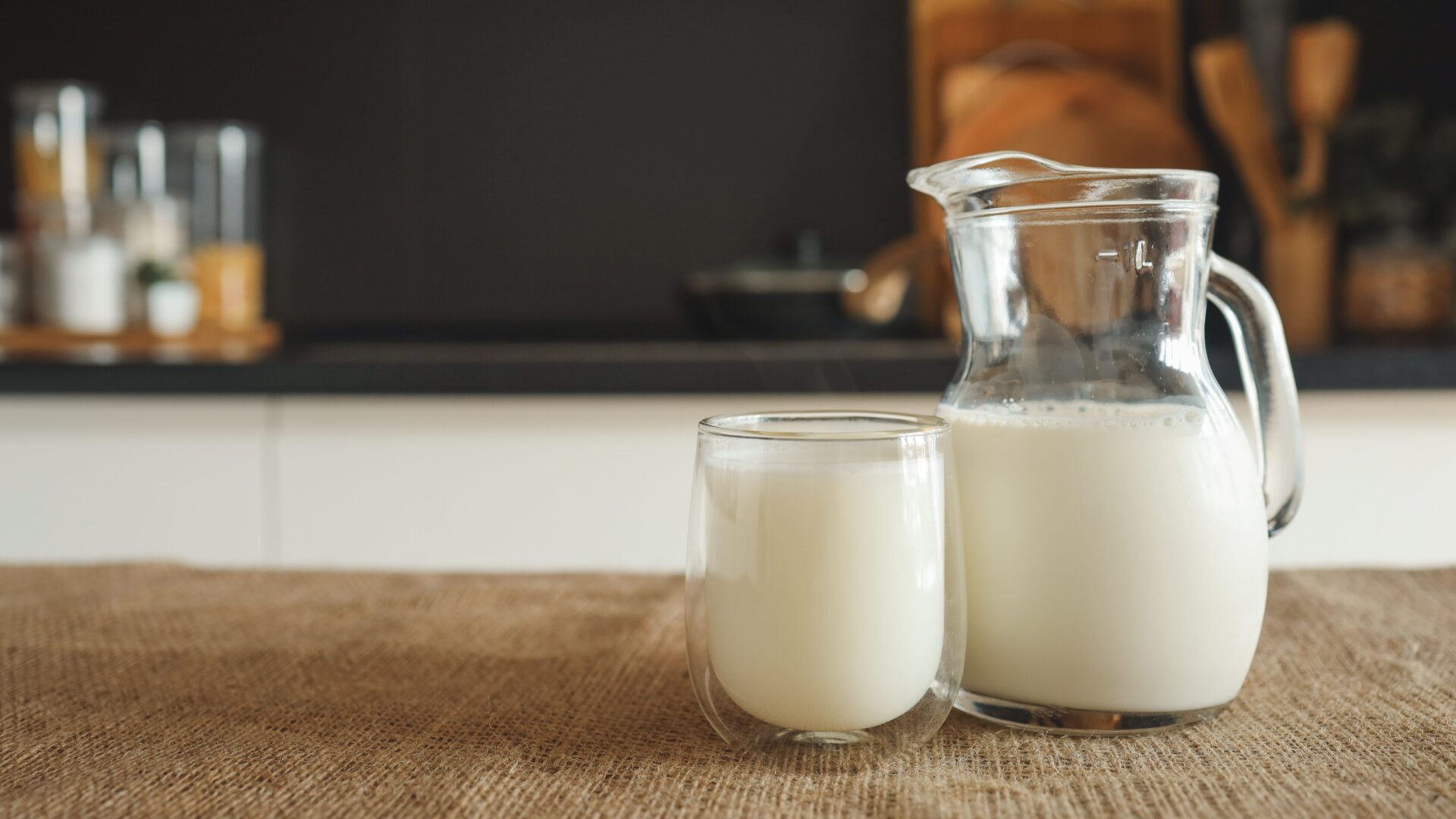
Much has been written about milk and dairy products. Since childhood I have heard how important it is to drink milk. “It’s for the bones,” used to say my grandmother, who regularly made cottage cheese or butter out of homemade milk, among other things. Then came the years when there was talk of milk being overrated. Some said it was a drink fit only for calves, not for humans. Everybody can have an opinion. In any case, dairy products are probably beneficial. And not only for children. Even the elderly should drink milk.
Milk is harmful
Seniors in Poland don’t want to drink milk because they believe that it acidifies the body and, moreover, it is a drink harmful to their heart. However, according to a renowned dietician, this is complete nonsense. She backs up her words with studies. Poles often stop drinking milk after the age of 60. According to Professor Jadwiga Charzewska, an expert in human biology and nutritional anthropology, this is not good.
For the elderly, a lack of dairy products is a bigger problem than an excess. According to the doctor, dairy products provide seniors with protein, calcium and vitamin D. Because of this, milk promotes bone health and prevents osteoporosis. A study published in the European Journal of Nutrition confirms that regular consumption of dairy products is associated with better bone density and, in a sense, a lower risk of fractures.
 ━━
( Source: Jack Cole / Unsplash+ )
━━
( Source: Jack Cole / Unsplash+ )Milk as a source of nutrients
One glass of whole milk contains 130 calories, 5 grams of fat, 12 grams of carbohydrates and 9 grams of protein. Add to that a healthy amount of vitamin A, vitamin D, calcium and potassium. Current nutrition research supports the inclusion of these nutrients in the diet of older adults to maintain overall health as well as physiological balance.
Protein intake is associated with improved muscle mass and strength. This is crucial for older people to maintain their mobility and independence. Maintaining healthy bones is also essential in advanced age.
For whom milk is not
Of course, this advice is only general, and even among older people there are those who should not overdo it with dairy products. Caution is in order if seniors have digestive problems or suffer from kidney disease. Similarly, of course, dairy consumption is not recommended for lactose intolerant people.
Benefits of milk
- Whole cow’s milk has a good balance of macronutrients and micronutrients.
- Low-fat milk has less fat but still has plenty of nutrients.
- There is also a form of milk for lactose intolerant people.
- Plant milks are fortified to have the benefits of cow’s milk.
Disadvantages and concerns
- Whole cow’s milk is higher in saturated fat. This can be a problem for seniors with cardiovascular problems.
- Low-fat or lactose-free milk can still cause problems for people with severe intolerances.
- Plant milks are lower in protein and you have to account for potential allergens such as soy or nuts. Also watch out for added sugars in some brands.


 Šárka Cvrkalová
 A. Urban

 O. Müller
