

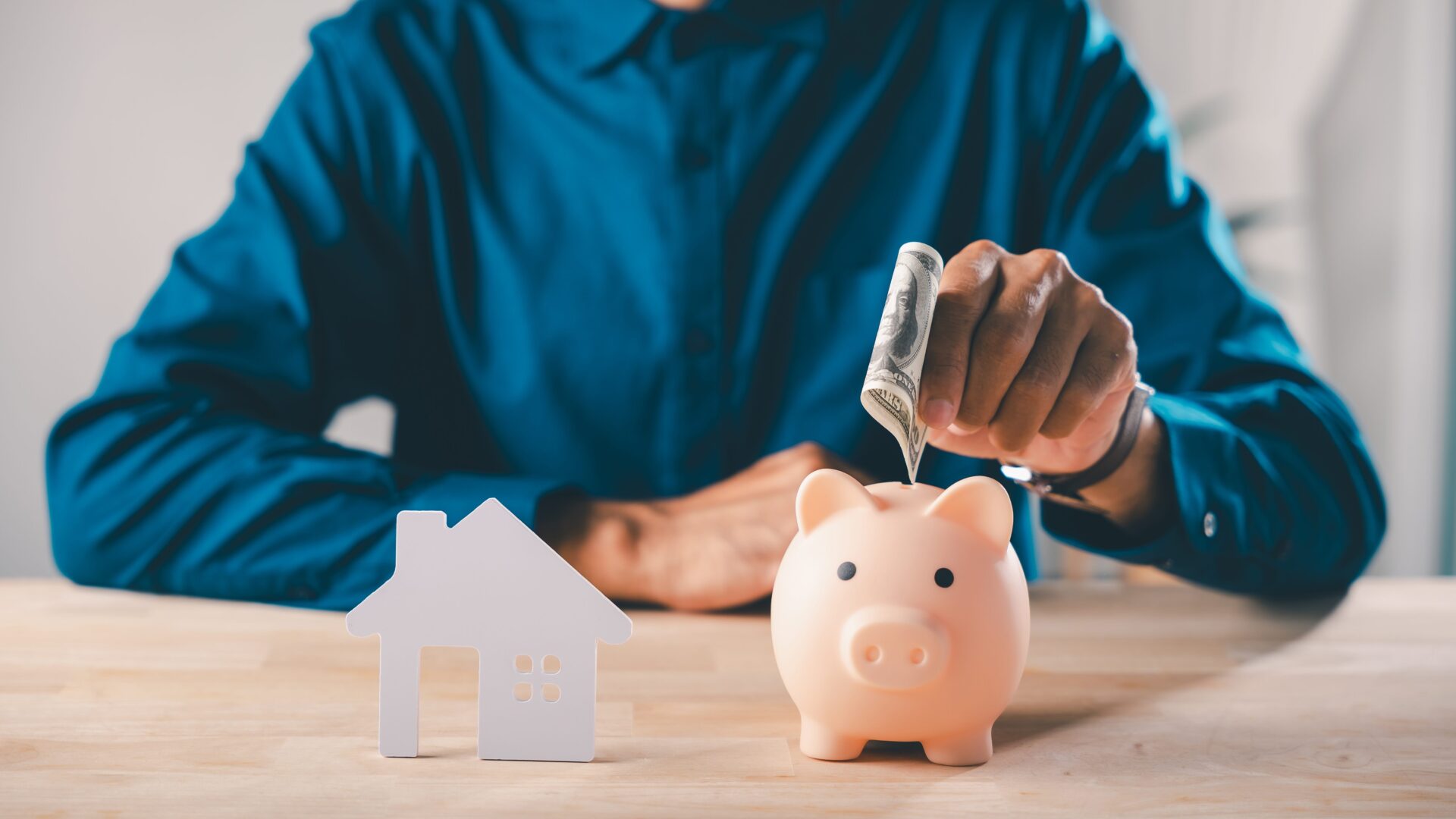
I’ve always heard that I shouldn’t keep my financial savings at home. The reason is simple. It’s not valued. But times are changing. We live in a time of increasing cyber threats and, most importantly, geopolitical uncertainty. Having more cash at my disposal seems like a necessity at the moment and I’m acting on it. Cash under the pillow is becoming increasingly relevant. Experts support my assumption.
The experts are in favour of
Adam Glapiński, President of the National Bank of Poland, said that cash plays a role that nothing can replace in the event of a cyber attack. If bank payment systems stop working, physical money is the only thing we will have left. Other European countries are taking a similar approach to the issue.
The Netherlands, Austria and Finland also advise their citizens to have plenty of cash. Just enough to cover basic expenses for 72 hours. It is not a matter of saving hundreds of thousands of euros, but of saving much less. In practice, it is enough to have at least half of your salary in cash at home.
European Central Bank research
Research published by the European Central Bank makes a similar point. It shows that the demand for banknotes has risen sharply across Europe. Physical currency offers both practical and psychological benefits. Families want to be prepared for a possible crisis and the authorities are only encouraging them to do so. In Sweden, for example, it is recommended to have enough cash for food, medicine and fuel for at least a week. The official recommendation is that everyone should keep as much money at home as they will pay for these things in a week.
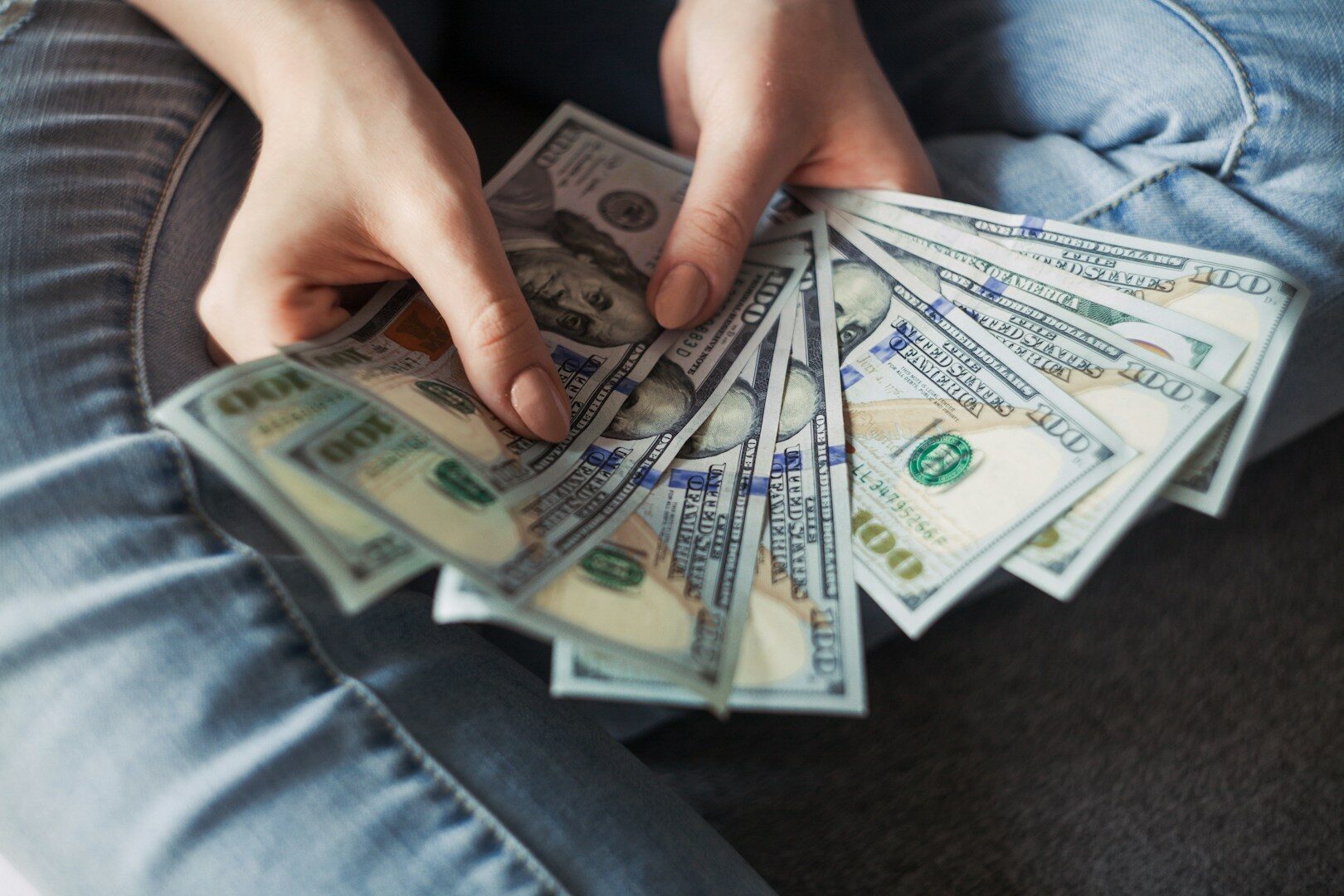 ━━
( Source: Alexander Mils / Unsplash+ )
━━
( Source: Alexander Mils / Unsplash+ )More and more Poles have cash at home
In Poland, people are returning to cash. The pandemic and especially the war in Ukraine, which is really just around the corner for the country, have led them to do so. Cash provides a sense of security for Polish citizens and is a reliable means of payment in crisis situations. Although Polish banks do not issue official recommendations on keeping cash at home, the opinions of experts are quite clear.
How people store money at home
The most popular place for storing money is the kitchen. Many people store it in containers or sealed bags hidden in their pantries. Others prefer places in the bedroom. They usually store their finances in jewelry boxes, dresser drawers, and also between mattresses. It’s just not entirely safe in the event of a robbery.
It’s much safer to keep cash at home in safety boxes or home safes. These are the places that provide protection. Not only from theft, but also from natural disasters. But how much cash is safe to keep at home? The amount in a safe varies depending on security measures, local crime rates and individual circumstances. In general, however, you should only keep what you need at home to cover expenses for a few weeks.


 Šárka Cvrkalová
 A. Urban

 O. Müller
