

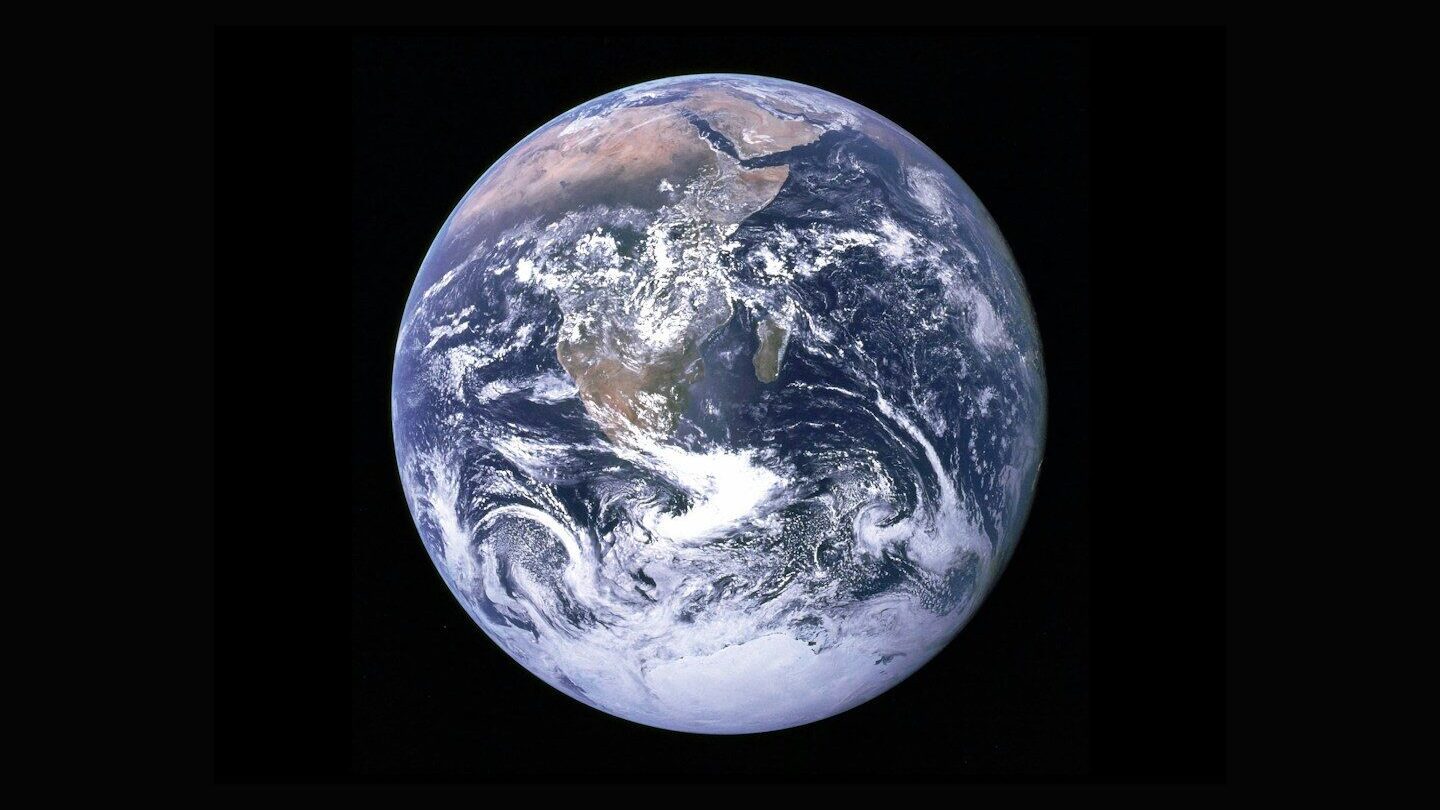
Climate change is causing many problems on planet Earth. Some of them are commonly talked about, such as the warming of the atmosphere. But did you know that climate change is also making the days longer? If you answer no, I’m not surprised. Even I had no idea about this phenomenon until recently, and when I tell you how “significant” the change is, you will probably smile. Well, from our point of view, it is practically an insignificantly small extension, but scientists consider every fraction of a millisecond to be important. In fact, thanks to this, we now know that in the time of the dinosaurs, the day was about 30 minutes shorter.
Climate change is slowing the Earth’s rotation. This braking effect is seemingly quite minimal: in a century, the day lengthens by 1.33 milliseconds. However, this is a much higher number today than it has been for the last 3.6 million years. While this may seem like virtually zero change at first glance, it means a lot to scientists. Although you may smile at the fact, in my opinion this is a very interesting and important phenomenon.
The Earth’s rotation is changing
The Earth’s rotation forms the basis of our world time and thus affects the fact that our day has 24 hours. However, over the years this factor changes slightly. And it is influenced by the moon, the currents in the Earth’s core and the movements of matter on the Earth’s surface. But many people forget how the rotation of the Earth affects the climate on our planet.
The most obvious mechanism is the melting of glaciers and ice sheets in Greenland and Antarctica. When the ice melts, water moves from the polar regions into the oceans and spreads out more towards the equator. This will change the mass distribution of the planet. And according to the physical law of conservation of angular momentum, the Earth’s rotation will slow down slightly. This is confirmed in the words of geophysicist Duncan Agnew, who literally says: “Yes, global warming is changing the rotation of the whole Earth.”
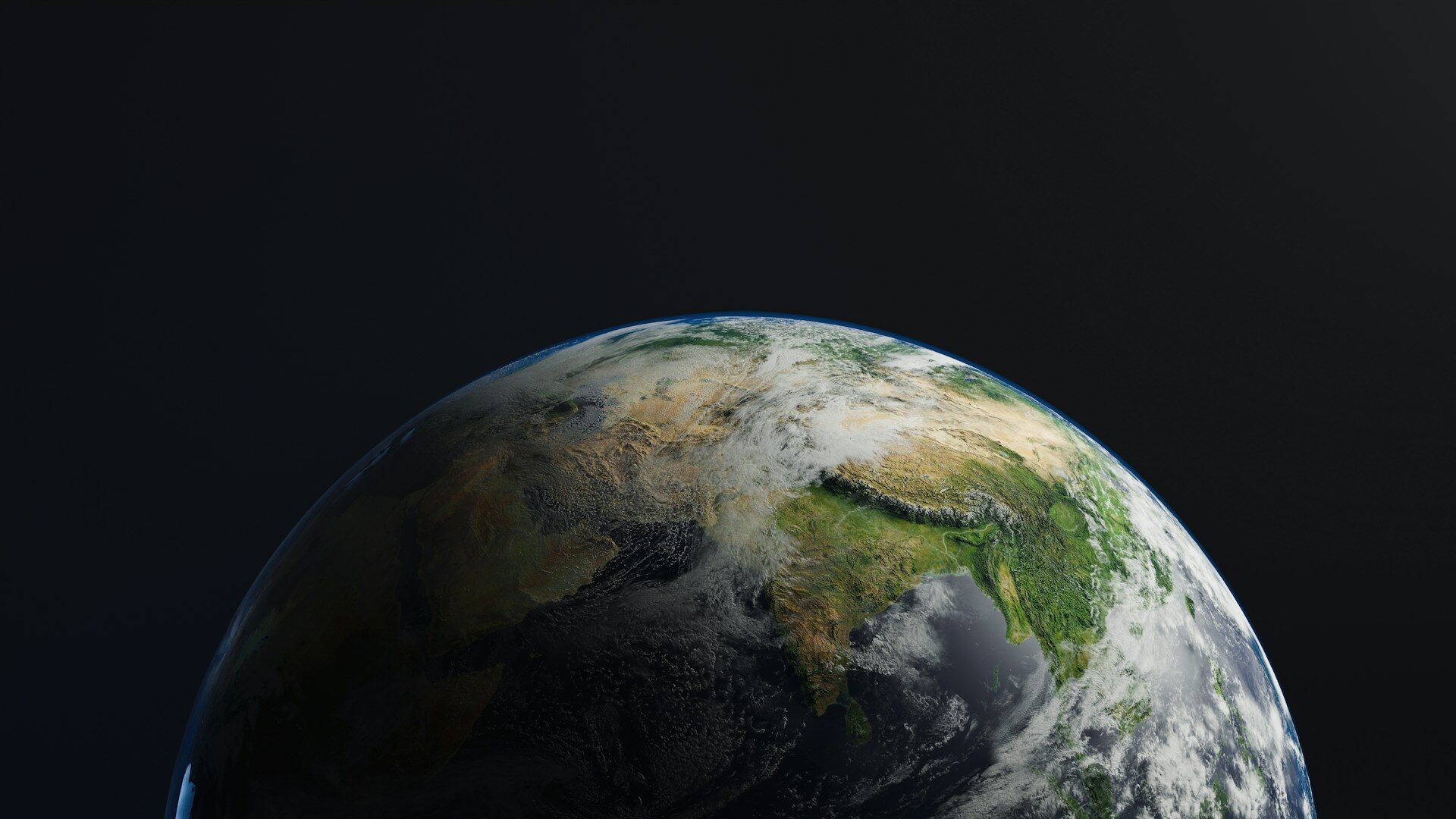 ━━ Climate change affects many things. The lengthening of days is one of them.
( Source: Vimal S / Unsplash+ )
━━ Climate change affects many things. The lengthening of days is one of them.
( Source: Vimal S / Unsplash+ )A seemingly insignificant number
Rising sea levels and the Earth’s slowing rotation are also explained by Mostafa Kiani Shahvandi, the lead author of a study that addresses the issue. “It’s simply comparable to how skaters spin slower with their arms outstretched; if they hold them close to their body, they spin faster,” he says.
Climate change is having the following effects on planet Earth:
- Slowing the planet’s rotation – the length of the day may be lengthening by fractions of milliseconds per century,
- a shift in the axis of rotation – the poles can shift by metres to tens of metres per century,
- impact on timekeeping – changes in rotation can affect the need for so-called “leap seconds” in the atomic clock
Although it may seem ridiculous to us that fractions of milliseconds per century are even being addressed, for scientists it is a very significant number. They are able to determine not only how long the days were in the past, but also what changes may lie ahead. In addition, the situation helps them to understand more comprehensively how climate is connected to the whole planet and how it affects other parts of our lives.


 A. Urban
 L. Novak
 O. Müller
