

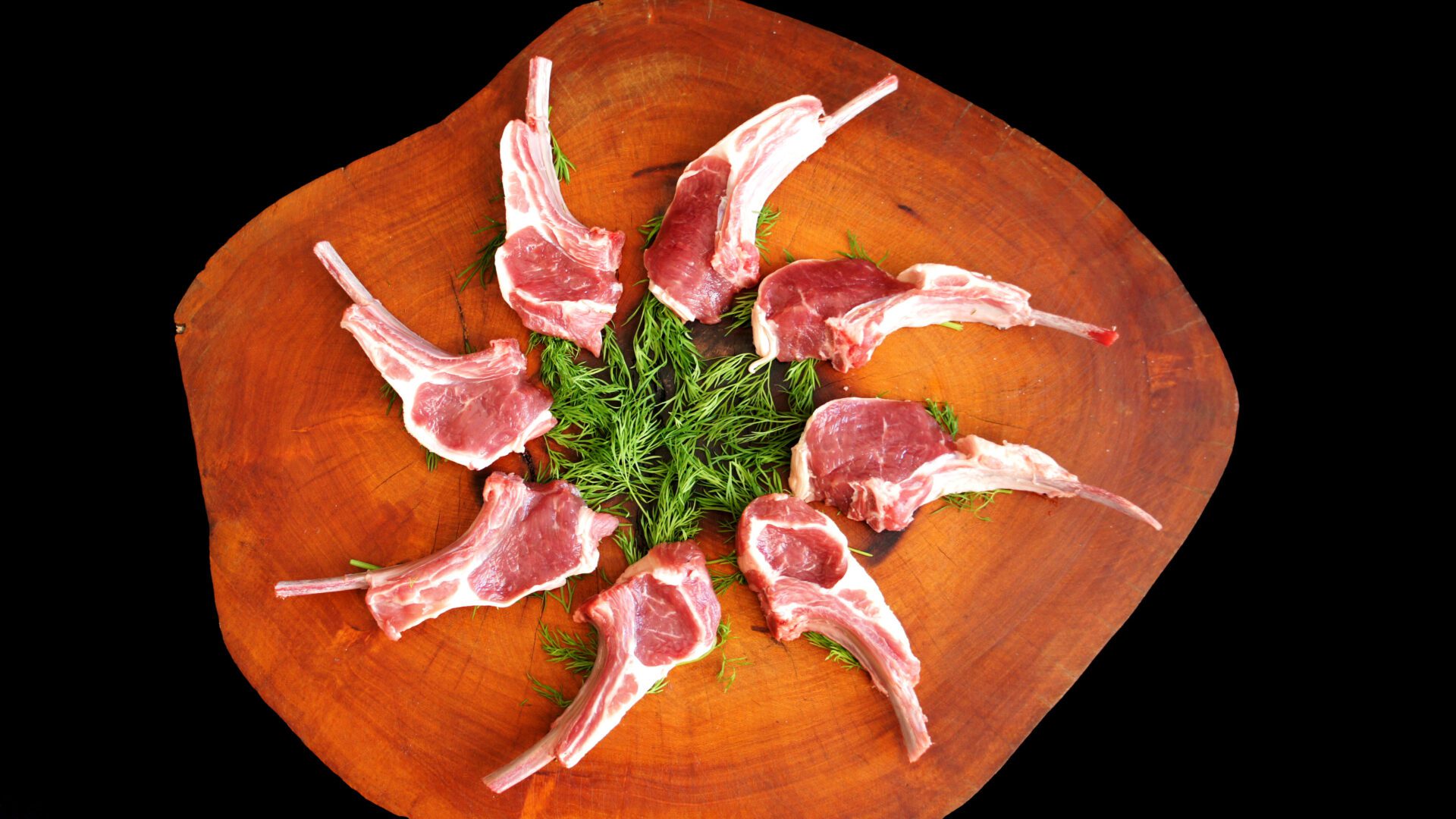
Red meat. Should it be part of the regular diet of the elderly or is it better for the elderly to avoid it? After all, some studies report that if people eat only processed red meat daily, the risk of dementia increases. Bacon, sausages, hot dogs or a good piece of steak. Many people can’t give them up. Even though we know they’re bad for our health.
The development of disease
Studies have shown that eating large amounts of mainly processed red meat is strongly linked to the development of colon cancer or other types of the disease. It may also be linked to type 2 diabetes or heart disease and stroke. Of course, these risks apply to virtually all ages, not just the elderly.
Memory problems
A Harvard study links eating processed red meat to dementia. The study involved more than 133,000 people who regularly reported their health for more than 40 years. They also took regular cognitive tests and were shown to have more memory problems than people who ate smaller amounts of processed meat products.
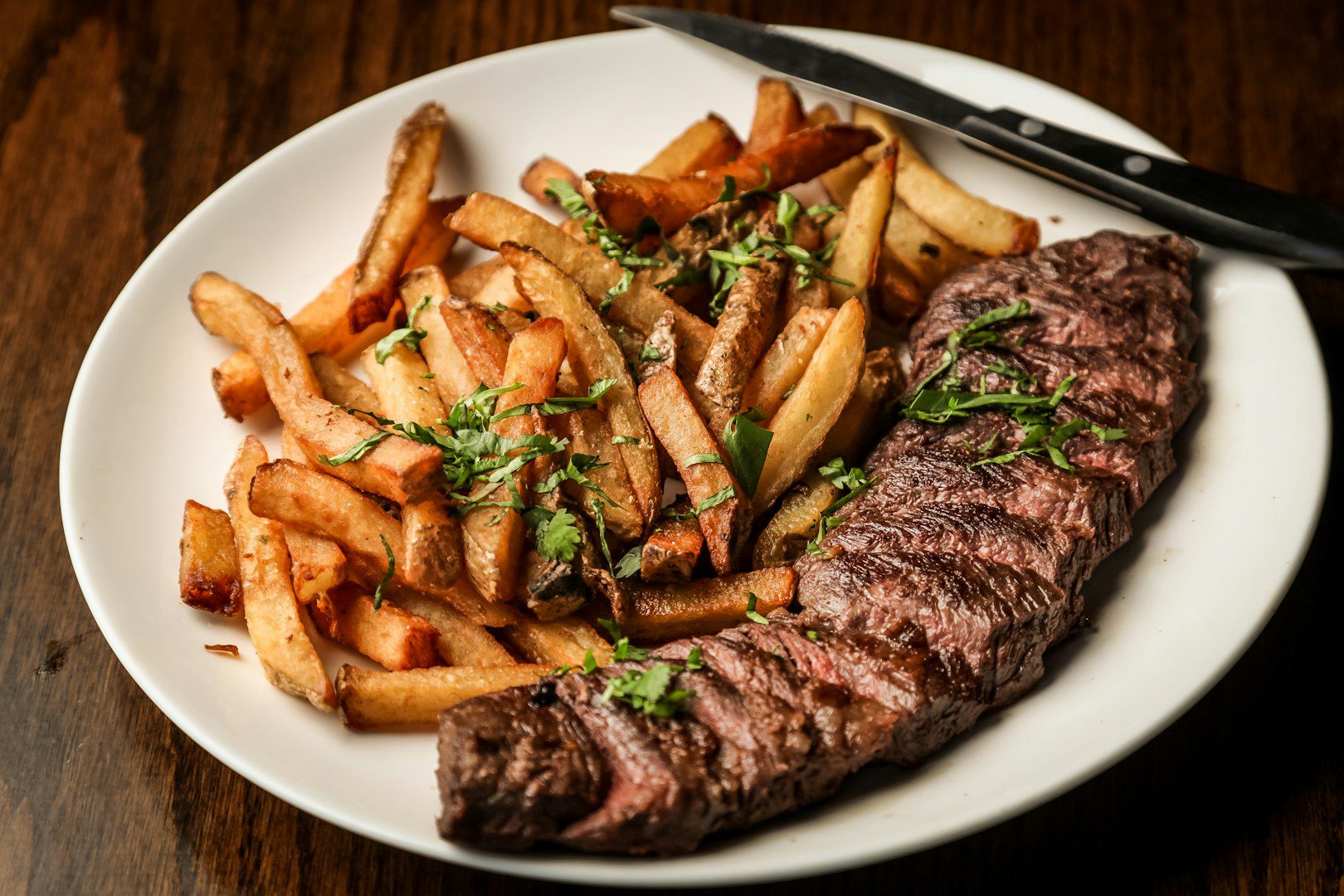 ━━
( Source: Tim Toomey / Unsplash+ )
━━
( Source: Tim Toomey / Unsplash+ )There is no meat like meat
But not all meats are the same. It is clear that processed products are not good for our bodies. But should seniors also skip lean red meat? Recent clinical studies suggest that the degree of processing is important. Minimally processed pork in a predominantly plant-based diet has been shown not to impair heart health or memory. It has even been shown that its consumption may have benefits for the elderly.
New study
The study was an 18-week study involving 36 older adults with an average age of 71.7 years. Researchers compared two versions of the diet. One based primarily on plant foods with an allowance for animal components. In one phase, participants consumed 162 grams of lean pork daily and in the other, 331.6 grams of lentils as a protein source.
The diets were comparable in terms of macronutrients and calories. There was an improvement in metabolic parameters in both groups. Insulin levels decreased and the lipid profile of the subjects improved. Total cholesterol levels decreased by an average of 21 mg/dl after the pork phase and by 27 mg/dl in the lentil phase.
Both versions of the diet led to weight loss in the seniors. The average loss fo the first phase was 4.6 kg and 5.1 kg after the second. At the same time, there was no deterioration in hand grip. Thus, functional capacity was maintained regardless of the source of protein intake.
Meat in small amounts does not matter
And the conclusion? Sausages, sausages or salami are not really good for health. However, if seniors include lean pork in their diet in normal quantities, it does not matter at all. The important thing is that their diet is otherwise predominantly plant-based and also sufficiently varied. The authors of the study stress that lean and minimally processed meat has no negative effect on the cardiometabolic, physical or neurological health of seniors. On the contrary, it carries benefits such as preservation of muscle mass or insulin sensitivity.


 Šárka Cvrkalová
 A. Urban

 O. Müller
