

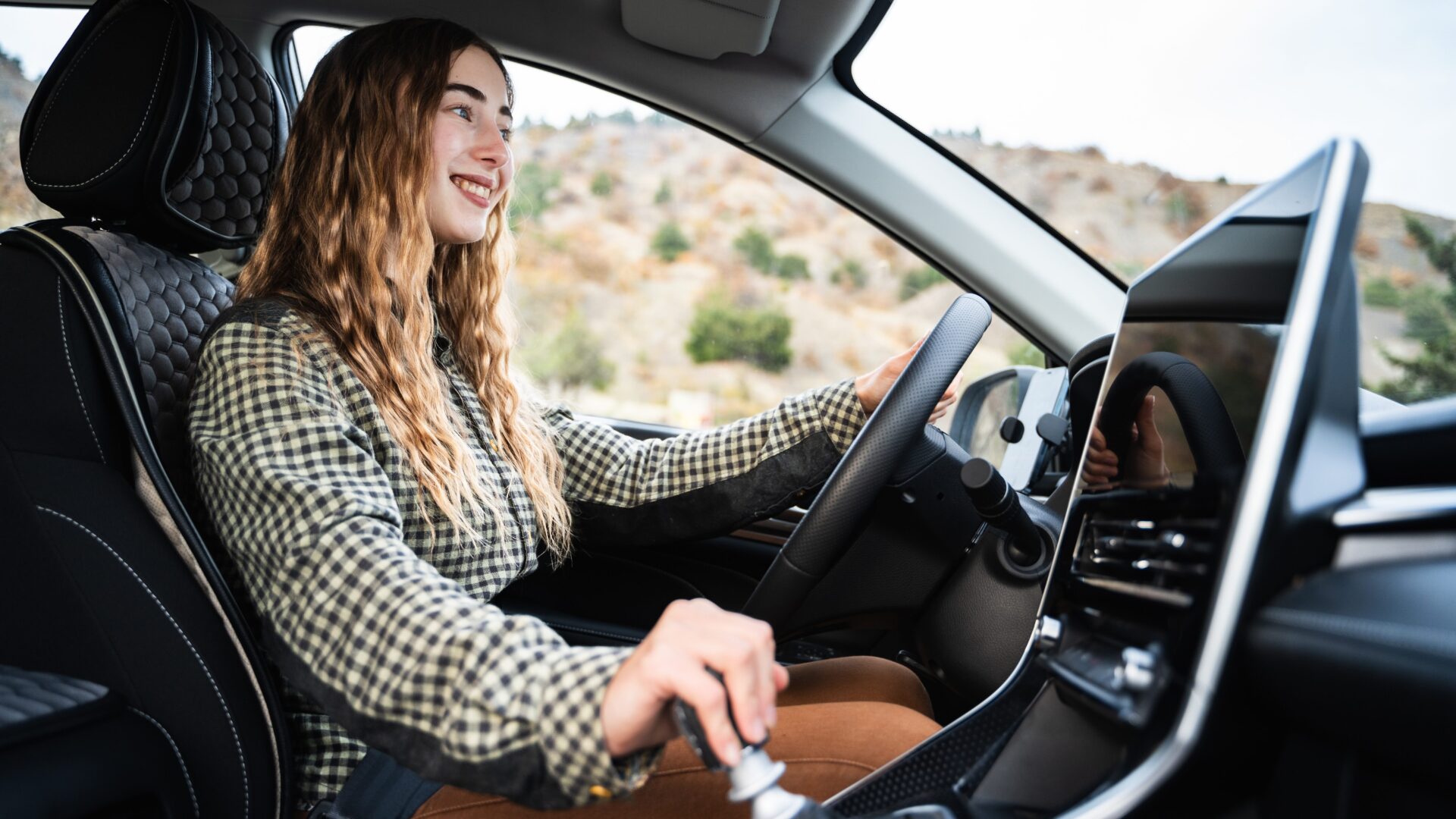
How to drive a car with an internal combustion engine to save money? Is it possible to adapt our driving to use as little fuel as possible? Of course, most cars are designed to be as fuel efficient as possible at normal cruising speeds. You might as well test it. But it’s also important to get the gears right.
Is this actually still the case?
It might seem that learning to shift gears is unnecessary these days, as there are automatic transmission cars almost everywhere that have improved fuel economy. But that’s not quite true. The sales figures say otherwise. In 2024, vehicles with manual transmissions sold well. A large percentage of drivers chose manual transmissions, according to automakers. So it doesn’t appear that manual transmission cars will be coming anytime soon.
Learn to shift gears
If you drive a car with a manual transmission, then you need to learn how to shift gears. Of course, every driver learns to shift gears in driving school. The important thing is to know how to change gear at the right time. If you shift skillfully, fuel consumption will be significantly reduced. It is advisable to upshift early and downshift later. Ideally, it’s a good idea to downshift at about 1000 rpm. It is therefore necessary to keep an eye on the rev counter when driving. In general, the ideal rev range is between 1500 and 2500 rpm.
 ━━
( Source: Evgeny Tchebotarev / Unsplash+ )
━━
( Source: Evgeny Tchebotarev / Unsplash+ )What users advise
How to save fuel with proper shifting is also being discussed on Reddit. One user talks about how the answer always depends on the specific vehicle. However, he added that most cars are designed to be as fuel efficient as possible at normal speeds. A test of sorts can reportedly be done. Pick a motorway and put it in top gear, drive at 100 km/h. Find out how much revs the engine is making. This is the cruising speed that’s most economical for all gears.
However, according to another user, this is stupid advice. He says his car runs at 3100 in top gear at 100km/h. If he started driving at all speeds like that, his fuel consumption would certainly increase. He estimates it could be as much as 40%. So where’s the truth? The third commentator thinks that 2000 rpm will give optimum fuel consumption. But he points out that of course it depends on engine power.
Expert advice
We’ve already looked at the recommended revs according to the experts. However, other things are also important. The accelerator pedal should be depressed two-thirds of the way when starting off. It is recommended to drive at about 70% of the vehicle’s maximum speed, but not to exceed 130 km/h. For optimum use of kinetic energy, moderate braking is good to save fuel. That is, take your foot off the accelerator early and let the car go by inertia. That will save you a penny on fuel. On the motorway, using cruise control can also help, but in the city it would be more detrimental.


 Šárka Cvrkalová
 A. Urban

 O. Müller
