

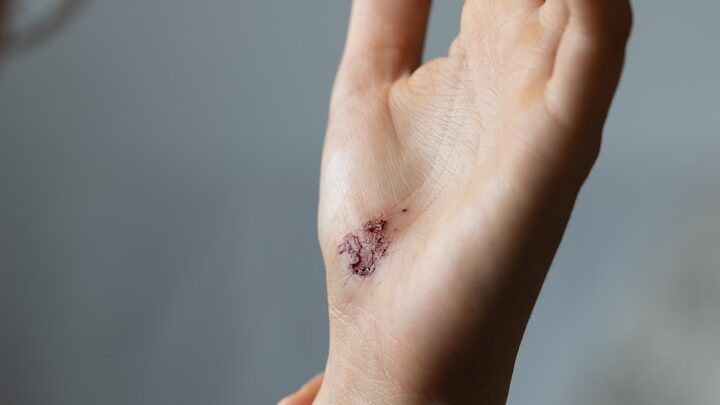
Unfortunately, diabetes runs in the family. That’s why I watch my health and often the slightest symptoms scare me. I am well aware that impaired wound healing can mean that there is something wrong with my blood sugar levels. About six months ago, skin problems scared me and also increased bleeding of scabs. Fortunately, it turned out to be nothing to do with diabetes. But I’ve never run to the doctor for blood tests so quickly. And if anyone is having problems with poor wound healing, I immediately recommend the same.
On the one hand, bleeding small wounds and poor healing can be the first sign of diabetes. On the other hand, if you already have diabetes, this problem will probably become something you deal with on a daily basis. I know my grandfather, who had diabetes, dealt with similar complications in a big way. Even the slightest wound always bled significantly and small scrapes took weeks to heal. How are these two problems actually related?
Why do diabetics’ wounds take longer to heal and heal badly?
Diabetes is manifested by persistently elevated blood sugar levels. This, of course, weakens the immune system, so it can also lead to circulatory problems. This disrupts the healing process and logically causes even minor wounds to stay open longer or not heal at all. Unfortunately, this increases the risk of infection.
“In patients with diabetes mellitus, chronically elevated glucose levels damage blood vessels, reduce blood flow and limit the supply of oxygen and nutrients to the injured tissue. At the same time, neural pathways are disrupted,” explains Keith G. Harding, a leading expert in wound healing and diabetes.
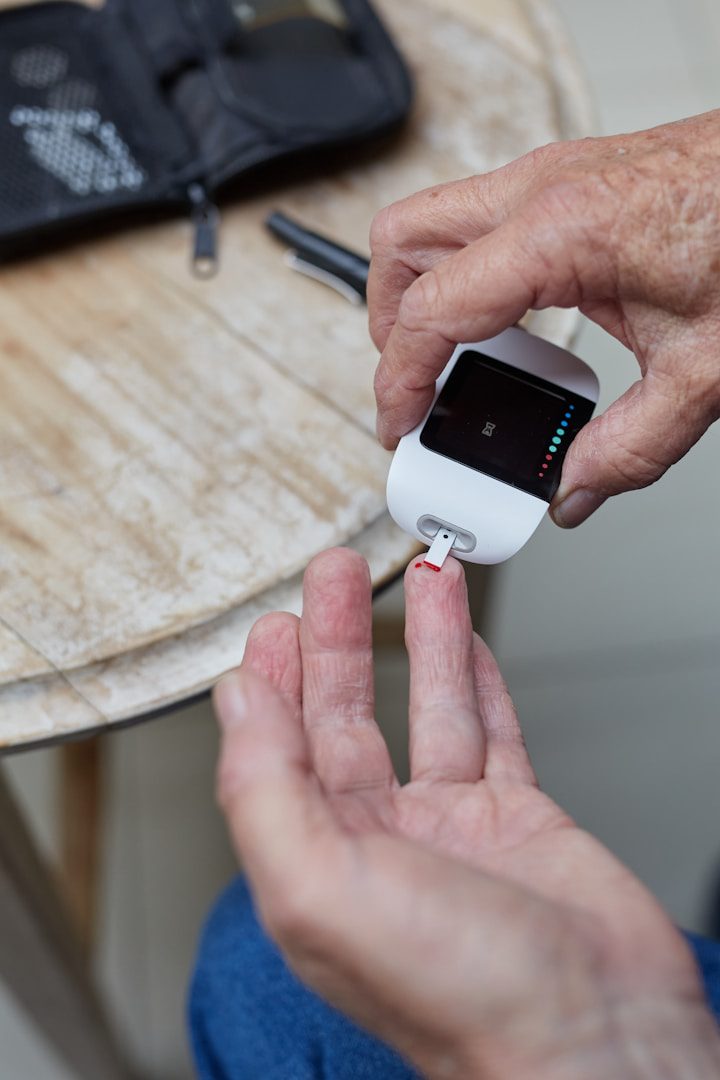 ━━ Impaired healing of even small wounds can be one of the first signs of diabetes. Why? Experts have the answer.
( Source: Sweet Life / Unsplash+ )
━━ Impaired healing of even small wounds can be one of the first signs of diabetes. Why? Experts have the answer.
( Source: Sweet Life / Unsplash+ )Diabetic foot
For many people with diabetes, wounds are not only difficult to heal, but also easier to form. This often occurs on the feet and legs, where a condition known as diabetic foot sometimes develops. The wound infections that can occur in this case are very serious and may require antibiotic treatment, even surgery in some cases.
About one in three people with diabetes may also develop peripheral neuropathy. This is a nerve disease that causes pain and abnormal sensations, most often in the legs and feet. As a result of this disability, some parts of the foot may become numb, meaning that the sick person does not perceive pain. Wounds then become infected much more easily, as people often do not seek medical help in time.
If you have diabetes, it is very important that you take care of your health and keep an eye on any minor injuries. While wound healing is more difficult, if you act responsibly, you may not spread any serious illness. And if, on the other hand, you don’t have diabetes but notice that some wounds are taking longer and harder to heal, consider getting blood tests to give you a clear answer as to whether you are at risk of this dangerous disease.


 A. Urban
 L. Novak
 O. Müller
