


Donating blood is a very noble thing. Personally, I’ve never donated blood. At first I was afraid of needles and due to low blood pressure I fainted every time I had to take it. Later, due to contraindications, I could no longer become a donor. I would never donate blood for the benefits that this activity offers.
New rules for donors
At the beginning of May 2026, the rules for voluntary blood donors are changing. The new regulations concern the length of incapacity. From May, everyone who registers will be entitled to a day off. Previously, however, people received a day off even if they registered without giving blood.
The law is clear
Under the law, an honorary donor is entitled to time off work and time off from official duties on the day of blood donation and the following day. He is also entitled to compensation for loss of earnings, reimbursement of travel expenses and a recovery meal. It is the first point that has now been amended or its interpretation clarified. This should prevent situations where someone arrives at a collection centre knowing that they will not be admitted, but still expects to be given a day off work.
Unfulfilled conditions
The change will affect those who register to donate blood but end up failing to meet the conditions. This may be due to infection or temperature, low hemoglobin levels, recent medical procedures, or a temporary contraindication due to vaccinations or travel. In such cases, the employee will not receive a full day off. He/she will be entitled to excused absence only for the period of stay at the collection centre and travel to and from work.
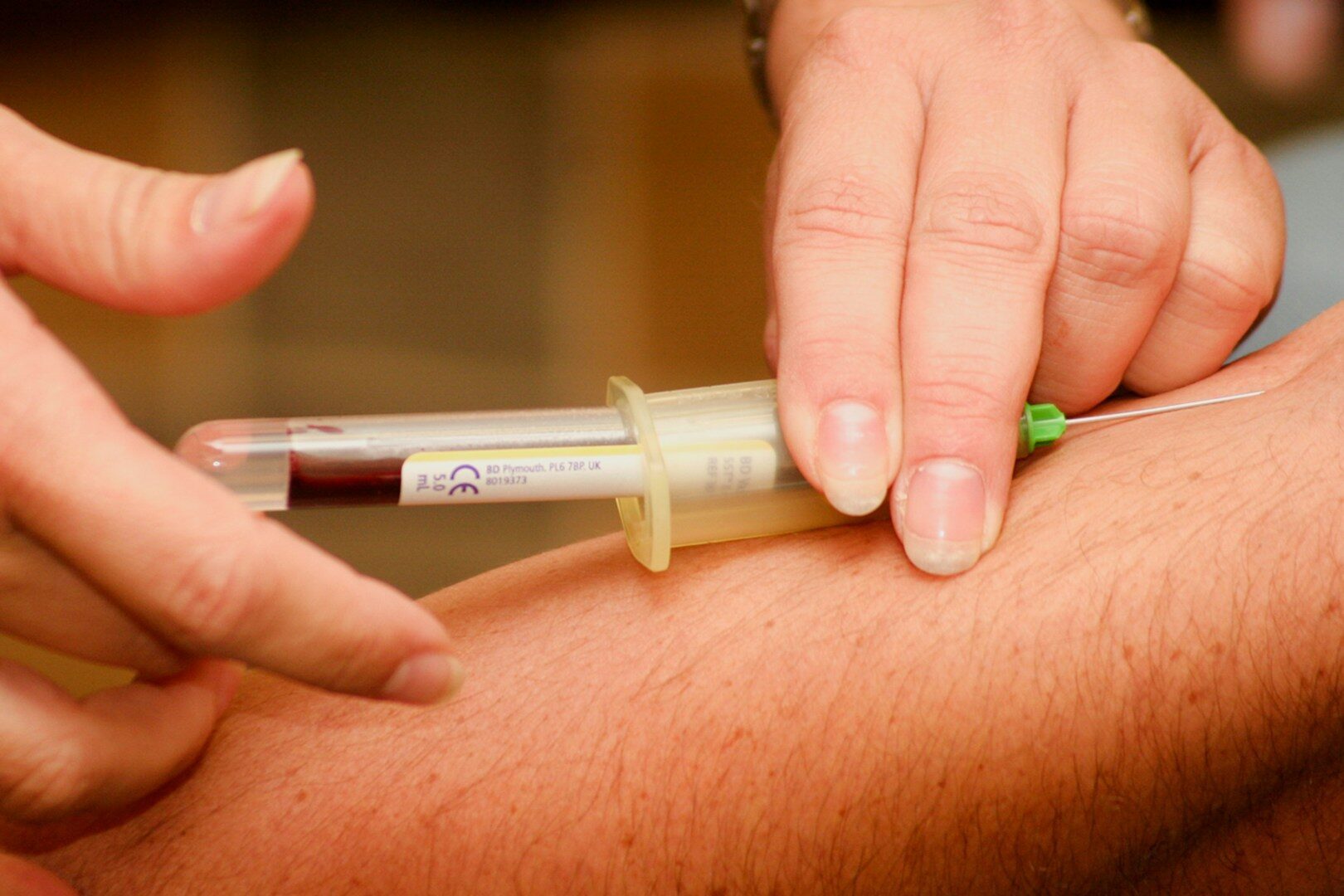 ━━
( Source: Hush Naidoo Jade Photography / Unsplash+ )
━━
( Source: Hush Naidoo Jade Photography / Unsplash+ )Changes
The changes also apply to situations where absence from work is not considered excused. This can happen if someone arrives at the blood collection site after drinking alcohol or if they fail to follow the basic rules required before donating blood.
However, nothing changes for those who meet the conditions and donate blood. They are still entitled to full sick leave on the day of donation and the day after. The tightening only separates the donor groups into those who actually donate blood and those who are disqualified.
Blood donation
Blood donation is an act of solidarity and support for people whose lives depend on access to this precious resource. Every blood donation can save the lives of people after accidents, patients awaiting surgery or cancer patients. Voluntary donation contributes to building a sense of social security and also provides an opportunity to monitor one’s own health, as every donor undergoes regular blood tests.
Who cannot donate blood
Every potential donor should first find out whether there are any obstacles that would prevent them from donating blood. These may be temporary or permanent. A temporary disqualification excludes you from donating blood for a certain period of time. A permanent disqualification prevents donation forever.
Temporarily you cannot donate for example six months after giving birth or after surgery requiring skin breakdown. You cannot donate even six months after a tattoo. Women may not donate blood during and three days after menstruation. Other reasons may include vaccinations, tooth extraction, endoscopic procedures, antibiotic therapy, flu or herpes. There are other cases where you cannot temporarily donate blood.
Alcoholics, people with serious illnesses, prostitutes, or people who have had a transplant of tissue from animals cannot donate blood permanently. Other disqualifying factors include the length and year of treatment or residence outside the Republic.


 Šárka Cvrkalová
 A. Urban

 O. Müller
