

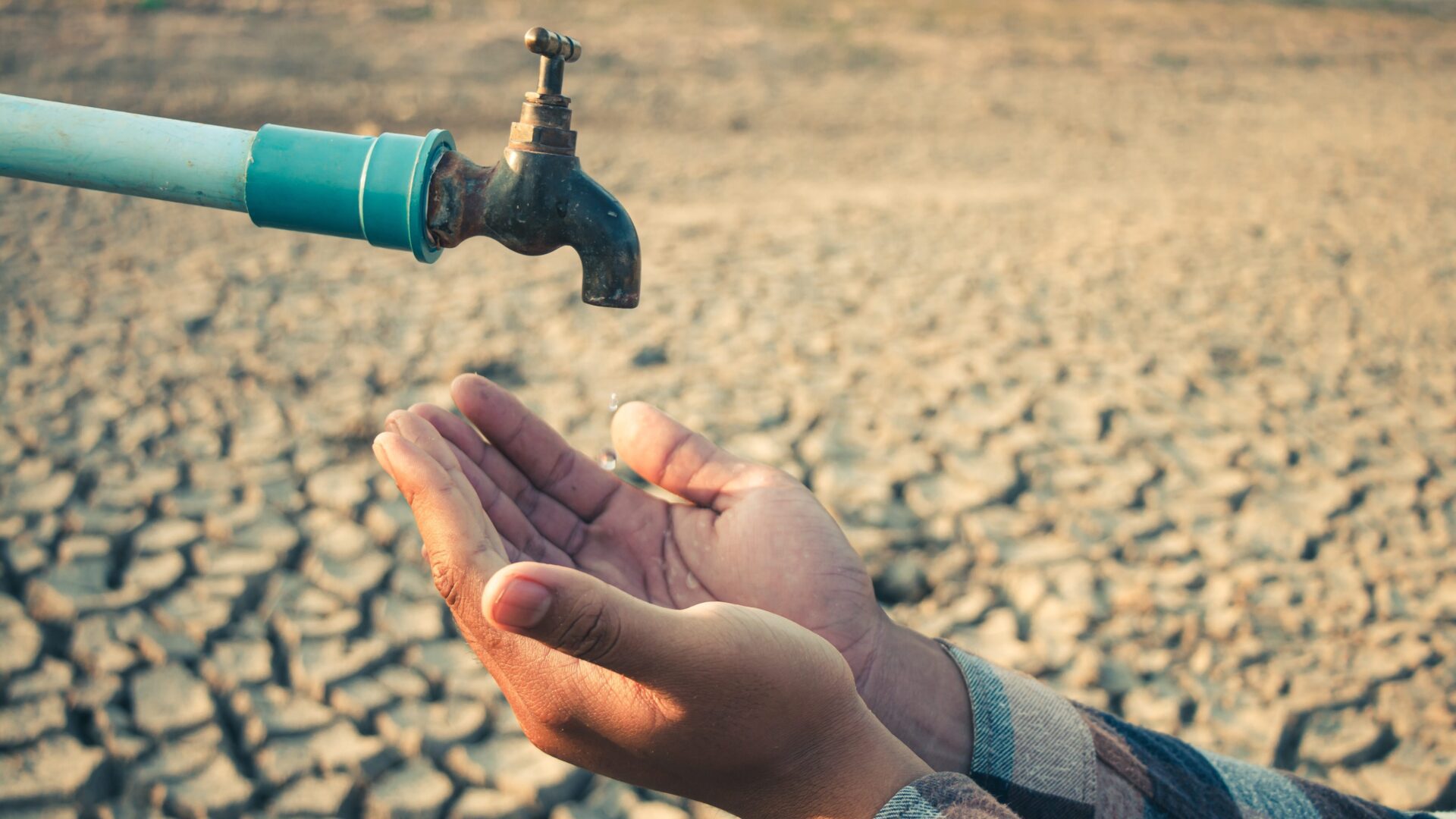
Drinking water is essential for our survival and we take its availability for granted. However, the planet’s supply is not inexhaustible and may one day run out. Scientists have now revealed when we might lose our source of drinking water. Do we have anything to worry about?
Imagine a situation where the tap in your home stops flowing and becomes a luxury that only some people can afford. Although it is a normal part of nature, we already know that we will one day lose our water supply. Climate change and other factors are depleting drinking water supplies, and in some countries it is already a commercial commodity that poor people cannot afford. And this is just the beginning of the predicted disaster that experts are pointing to.
The world’s water crisis
In parts of the world where water is taken for granted, people often don’t think about what it would be like to live without the ability to drink, practice hygiene or use the toilet at any time. And these basic needs are already being denied to some. Globally, some 2.2 billion people do not have access to clean drinking water, 3.5 billion cannot use a clean toilet and 2.3 billion people cannot wash their hands regularly. Lack of water or use of contaminated water leads to 1 million deaths a year, of which 395,000 are children under the age of 5. They die from dehydration, diarrhoea or poor hygiene.
People without drinking water
A study published in the journal Nature Communications warns that there will be a ‘day zero drought’. Simulations carried out suggested that it will occur as a result of several years of drought and high emissions. About three-quarters of the areas that are already drought-prone today could face total water scarcity by 2100. Rainfall will be minimal and drinking water reservoirs will gradually become depleted.
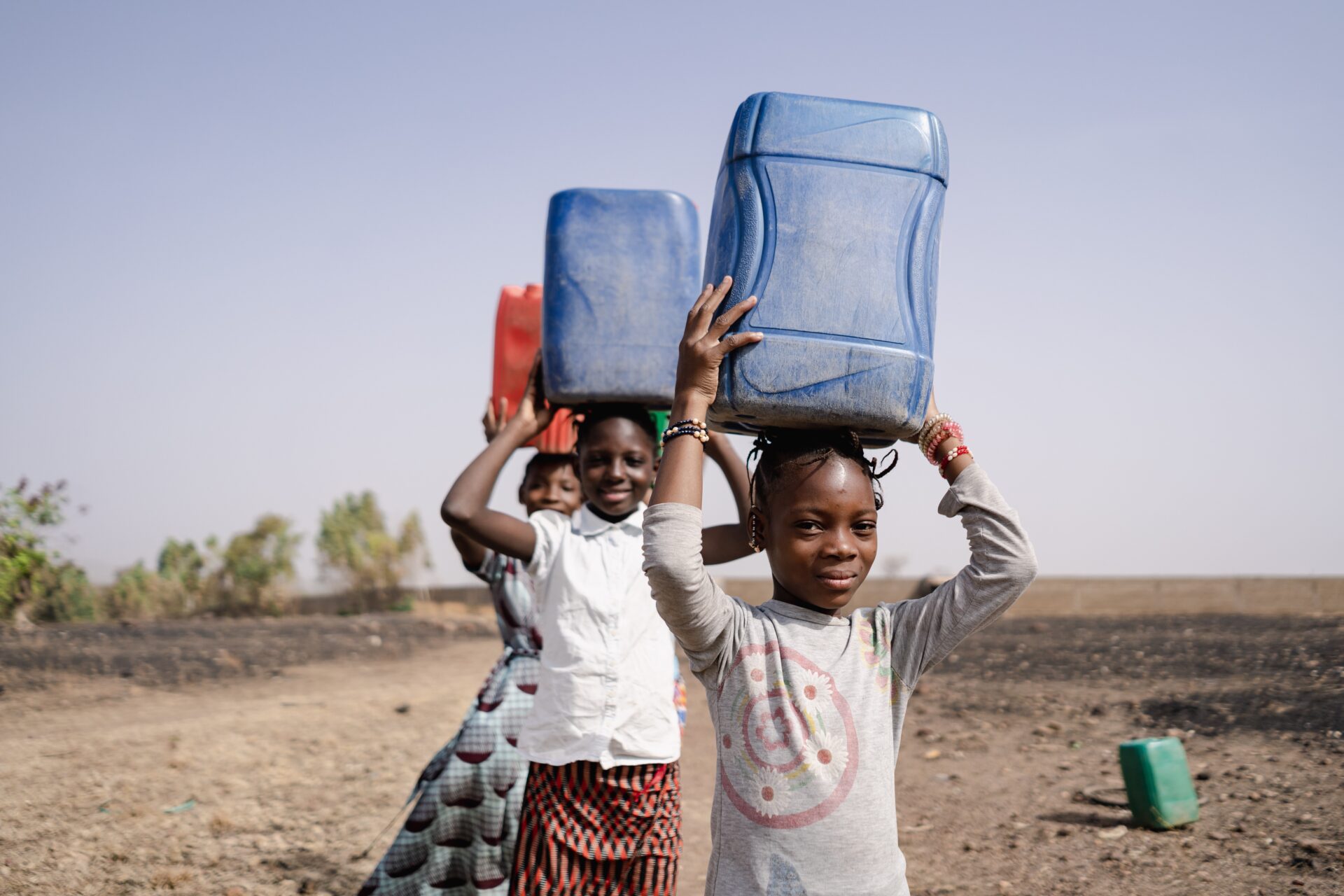 ━━ Africa is one of the continents facing water scarcity.
( Source: Riccardo Mayer / Shutterstock )
━━ Africa is one of the continents facing water scarcity.
( Source: Riccardo Mayer / Shutterstock )Experts are on alert
In their study, the researchers looked at four factors that could lead to a zero-day drought. The simulations looked at the long-term lack of heavy rainfall, rising temperatures, low river flows and water demand outstripping supply. In some regions, a significant proportion of large reservoirs could be depleted by 2030. The most vulnerable areas are the Mediterranean, southern Africa, parts of North America, India, northern China and southern Australia. This timeframe could also see the depletion of 14% of the world’s large reservoirs, which provide drinking water, influence agriculture and irrigation, and feed hydropower and industry. People living in cities will face the greatest risk in terms of numbers. In addition, however, rural people will lose their livelihoods, as agriculture in many countries depends on irrigation and rainfall.
An uncertain future
Water is essential for life and cannot be replaced by any other commodity. Our lives and the existence of the planet depend on it. So we should do everything we can to ensure that it is always available and that one day we will not have to face a huge problem. Unfortunately, many areas are already facing water shortages.
But can a solution be found? Experts see the possibility of averting the water crisis in stopping climate change. “Only by adapting to an intensification of prolonged droughts, but also by rapidly reducing greenhouse gas emissions, can the growing impacts of drought extremes in a warming world be limited,” noted Richard Allan, a climatologist at the University of Reading in the UK.


 Šárka Cvrkalová

 L. Novak
 O. Müller
