

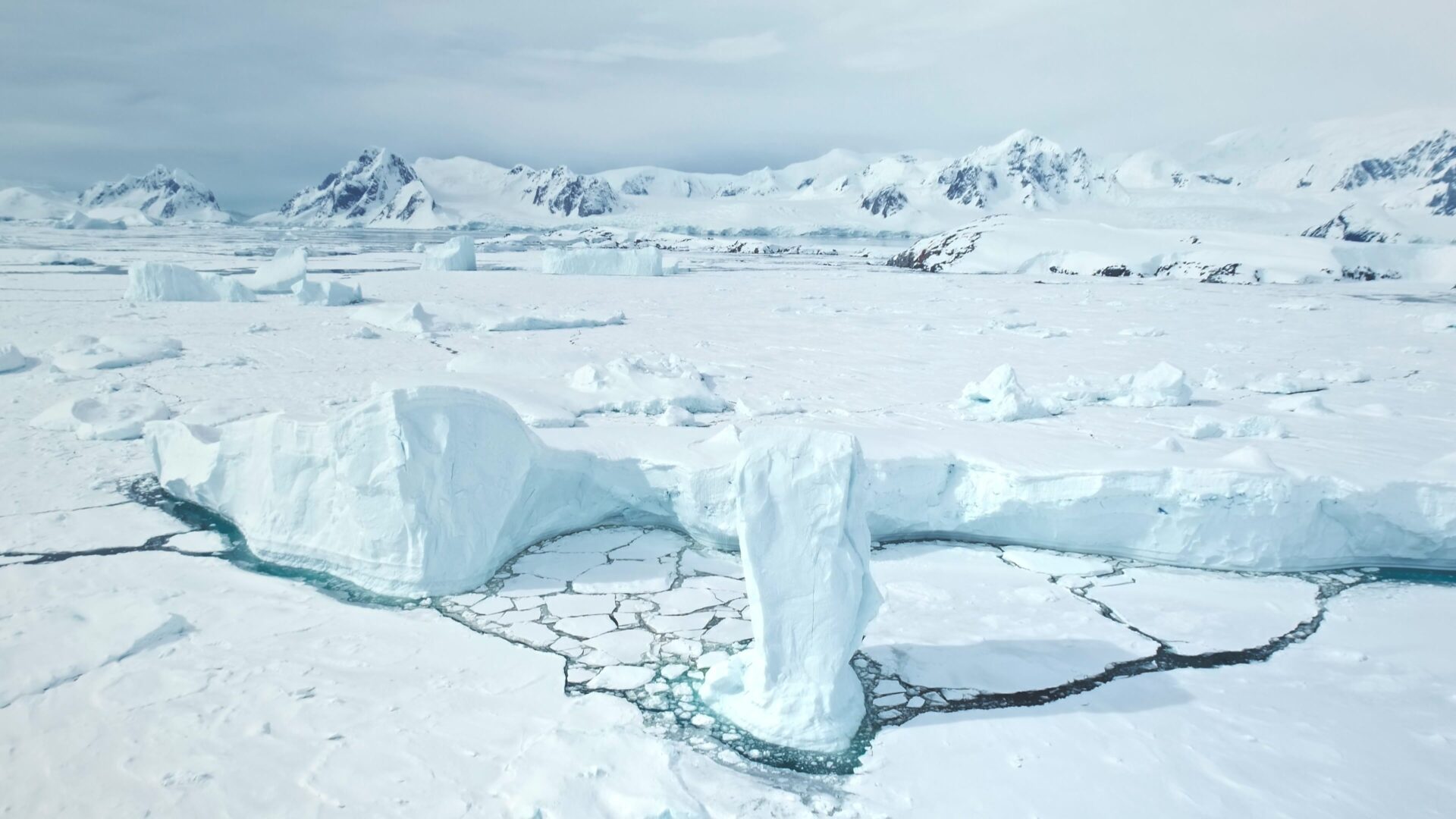
The times when winters were really harsh are long gone. Nowadays, every season is characterised by the term April weather. Maybe that’s why everyone was surprised by the unusually hard frosts and snowfalls. However, if you find this winter extreme, you might change your mind. One of the lowest temperatures on record fell at Russia’s Vostok research station in Antarctica in 1983.
Global climate change and other factors are warming the planet. As a result, we are now experiencing milder winters compared to previous decades, and any significant temperature spike can immediately derail us. However, there is no such thing as winter. While temperatures here feel like they are dropping to extremes below -10°C, in the cold regions near the poles we are yet to experience what a bitter cold means.
A record in Antarctica
The lowest-ever measured temperature was recorded in the heart of Antarctica, specifically at the Russian research station Vostok. Then, on 21 July 1983, temperatures plummeted to a staggering -89.2 °C. This is officially the world record for the coldest temperature ever measured on Earth. The resulting conditions are influenced by the proximity of the South Pole, the altitude and the long polar nights without sunlight.
The site of the Vostok research station, located at an altitude of around 3 500 metres, was deliberately chosen for the research by the Soviet Union. The aim was to drill into the ice, which today reveals a history of the Earth’s atmosphere going back hundreds of thousands of years.
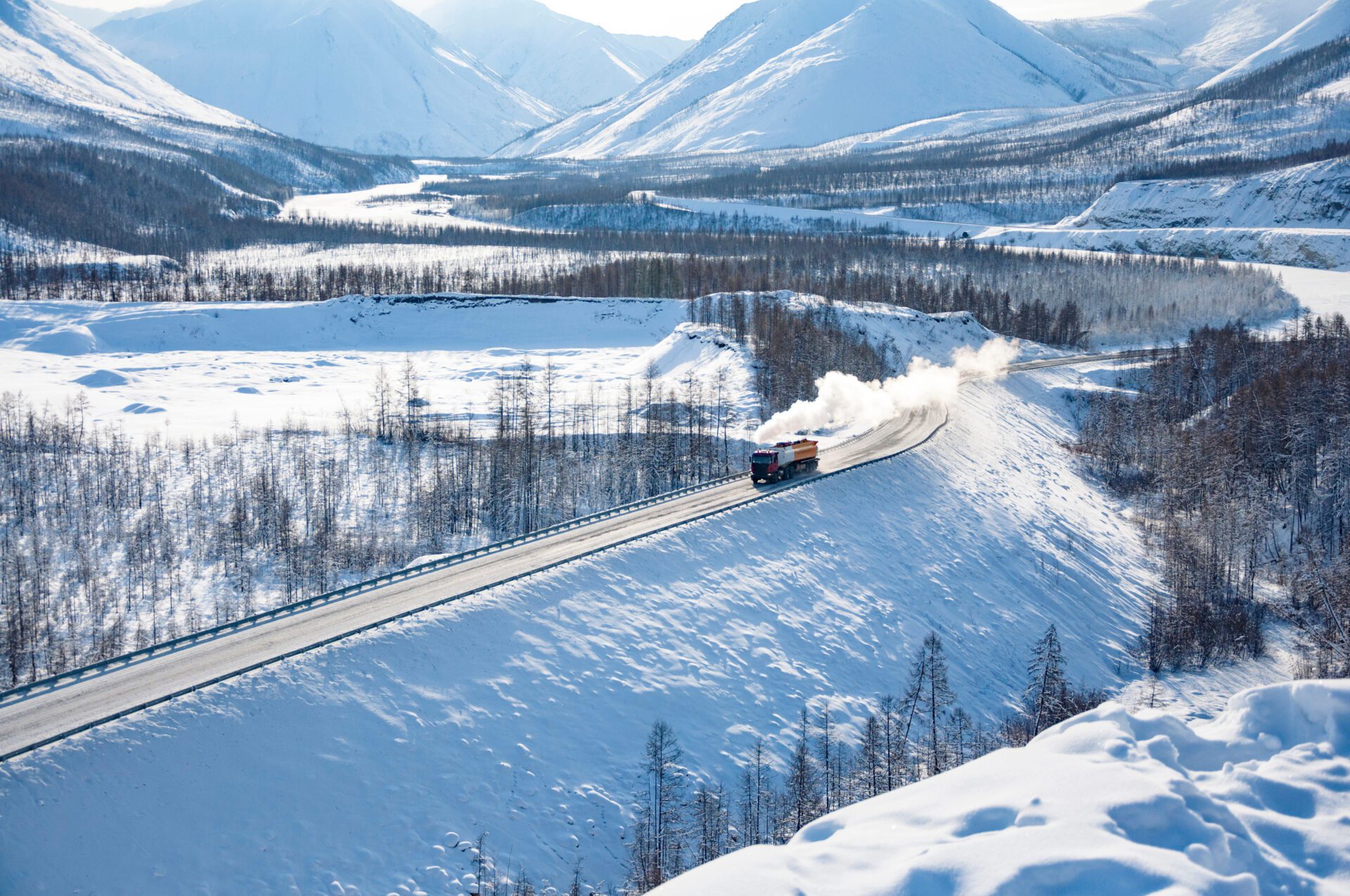 ━━ Siberia is considered one of the coldest inhabited locations.
( Source: Piu_Piu / Shutterstock )
━━ Siberia is considered one of the coldest inhabited locations.
( Source: Piu_Piu / Shutterstock )Why does the record still stand today?
Much lower values have been reported in recent years, around -93 °C. However, experts say the data cannot be compared because the temperatures were not measured with an air thermometer but were derived from infrared radiation on the surface of the ice. After more than 40 years, the record set in Vostok still stands.
However, at such extreme temperatures, it is impossible for humans to live normally. If he breathed in such freezing air, his lungs would be damaged within seconds. Scientists who work in these threatening conditions must wear special masks.
The coldest areas on Earth
Among the coldest permanently inhabited places is Siberia, especially the locations of Oymyakon and Verkhoyansk. Temperatures here normally drop to -50 °C, with a record temperature of -67.8 °C measured in Verkhoyansk in February 1933.


 Šárka Cvrkalová

 L. Novak
 O. Müller
