

I recently tried to throw a roll of toilet paper in the trash at my grandparents’ house. And for that transgression, I was duly reprimanded. Laughing, I asked my grandmother if perhaps she was planning to make animals out of the roll with her granddaughter. She replied that that was possible. But then she explained that she was using this apparent waste in the garden. And she immediately explained to me all the things that paper rolls can help with.
It is true that older people have the ability to turn something useless into a literal treasure. This was always true with my grandparents, so I don’t underestimate my grandmother’s words one bit. Plus, after a bit of internet research, I know that many of them have a scientific basis as well.
Compost rolls
Torn toilet paper rolls should not be thrown in the trash, but in the compost. Why? The cardboard used to make them contains carbon. This can balance out the nitrogen-containing grass and leaves in the compost. Carbon is also important in compost as an energy source for the micro-organisms that break down the organic material. Bacteria, fungi and other small organisms use carbon in a similar way to the way humans use food, i.e. they get energy from it for their growth and activity.
My grandmother specifically explained the situation to me using earthworms. Although many people are afraid of these animals, they are very important in the garden. They convert cardboard into valuable humus, but they also loosen the soil, improving aeration and facilitating water infiltration. The soil retains moisture and in times of drought there is less need for heavy watering.
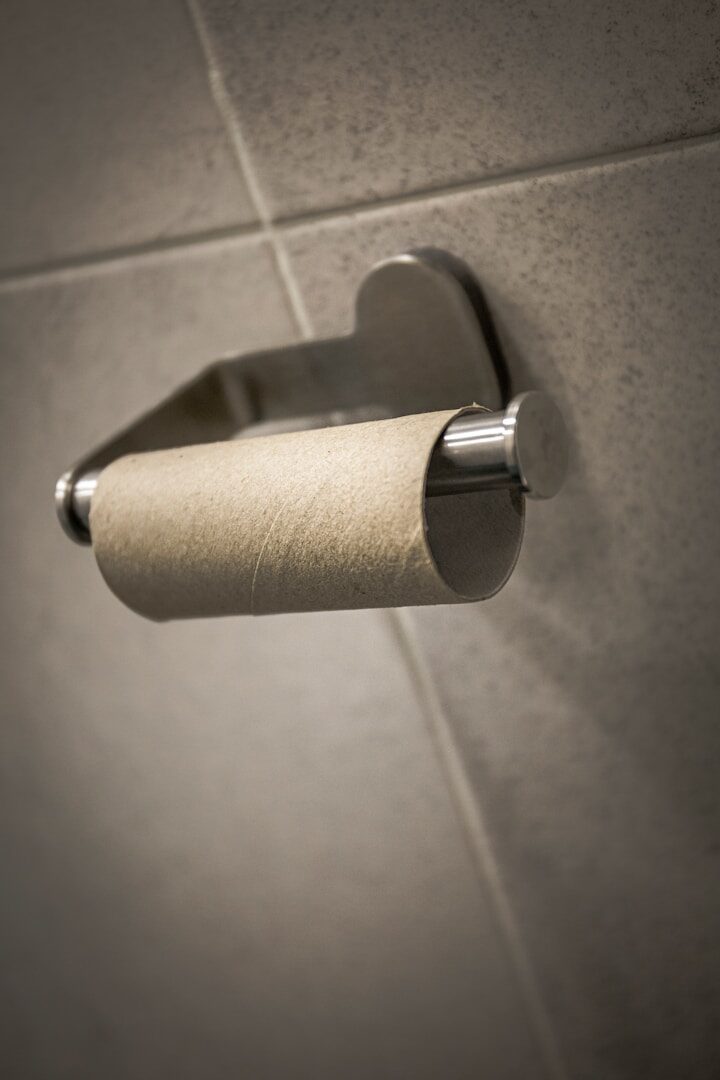 ━━ A toilet paper roll may seem like a waste. But it can actually help in your garden.
( Source: Isaac Quesada / Unsplash+ )
Environmentally and economically
You would normally throw away toilet paper rolls. Unless you really plan to make something with your children. Few people would think of using them in the garden. You can dispose of them in an environmentally friendly way and save money on fertiliser and water. You save your wallet and nature.
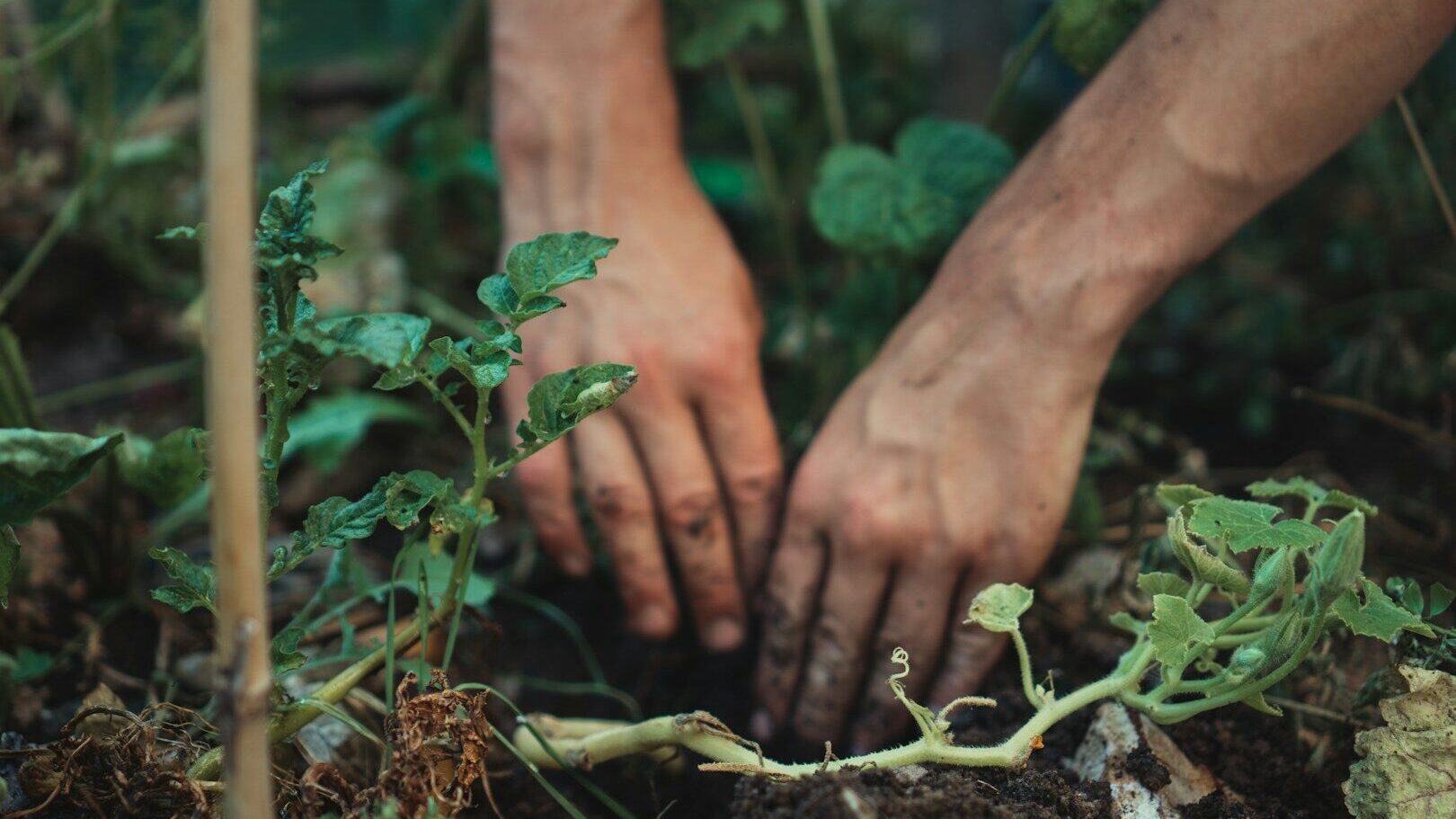
Of course, do not throw the rolls into the bed whole. Cut or tear them first. Ideally, bury them at the roots of the plants that need the nutrients from the soil the most. And if you have an excess of rolls at home, save them for the winter. They can serve as mulch and protect some plants from the cold.


 A. Urban
 L. Novak

 O. Müller

