

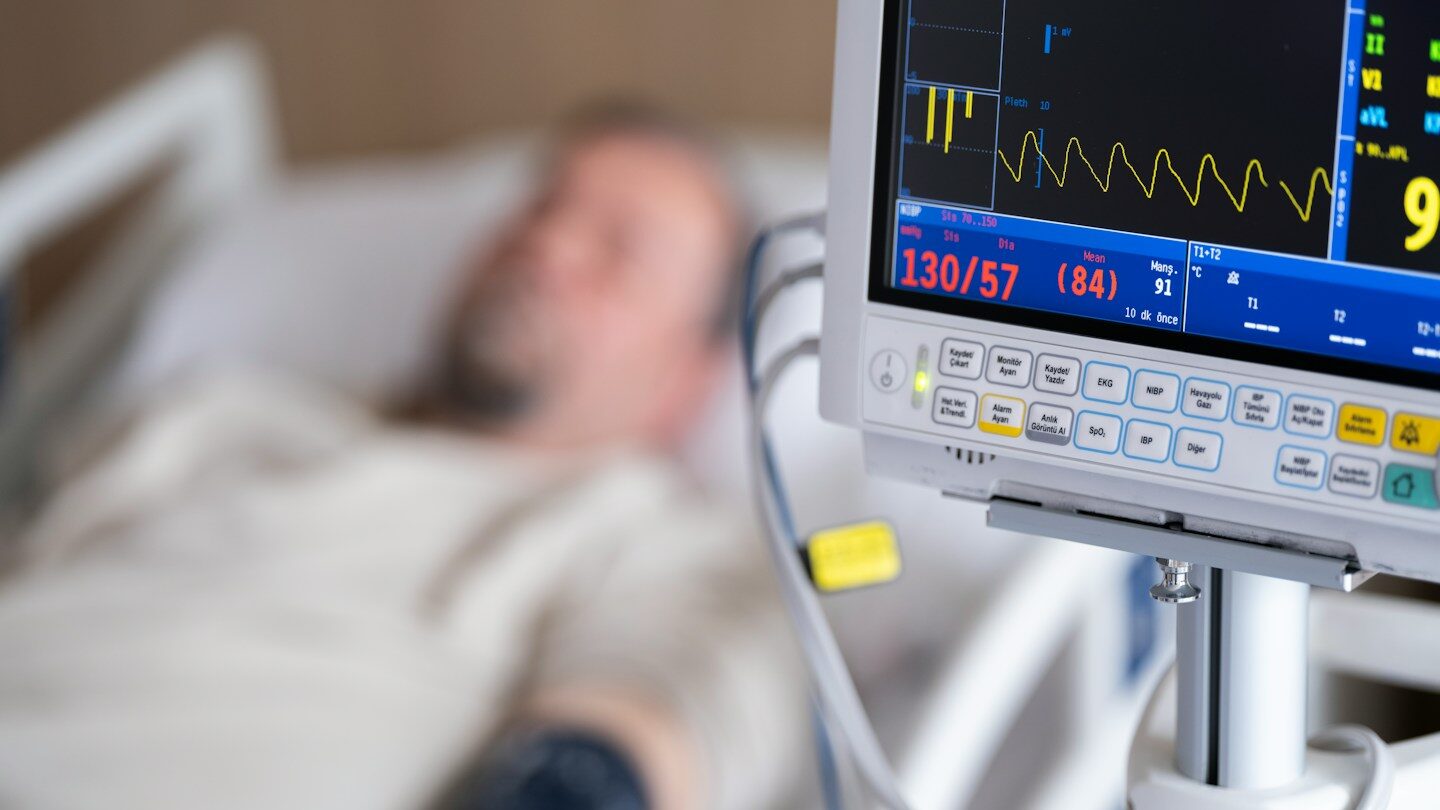
In elementary school, we were always taught what the symptoms of a heart attack were. And we were also told that the first principle is to call an ambulance if we suspect this complication. And I think that’s the important thing to remember. The symptoms of a heart attack are slightly different in women and men, but if one thinks too much about this fact, one can lose long seconds instead of spending them on saving the person.
It’s been about three years since I called my grandfather’s ambulance because he had a heart attack. How did it manifest itself? Dizziness, sudden fatigue, vomiting, shortness of breath, jaw pain. Typically, these are symptoms that women exhibit. And they’re often overlooked. But it wasn’t important for me to address whether they were male or female symptoms. Grandpa’s quick reaction saved his life.
Atypical female symptoms
It is generally reported that in men, a heart attack is manifested by severe chest pain, shortness of breath, nausea and sudden weakness. In women, the pressure often comes more often, and the chest pain is absent. But they have heartburn and shortness of breath (without chest pain). This is why it is often stated that women have atypical symptoms and thus often underestimate heart attacks.
In women, heart attacks are more often mistaken for anxiety, indigestion, stress and exhaustion. “Traditionally, myocardial infarction has been considered a male disease and has long been understudied, underdiagnosed and undertreated in women,” says even Spanish doctor Gemma Martinez-Nadal. Generally, chest pain and pressure is considered the main symptom of the problem. But this may not be true. And as my grandfather’s case showed, it is not only women who sometimes miss this symptom.
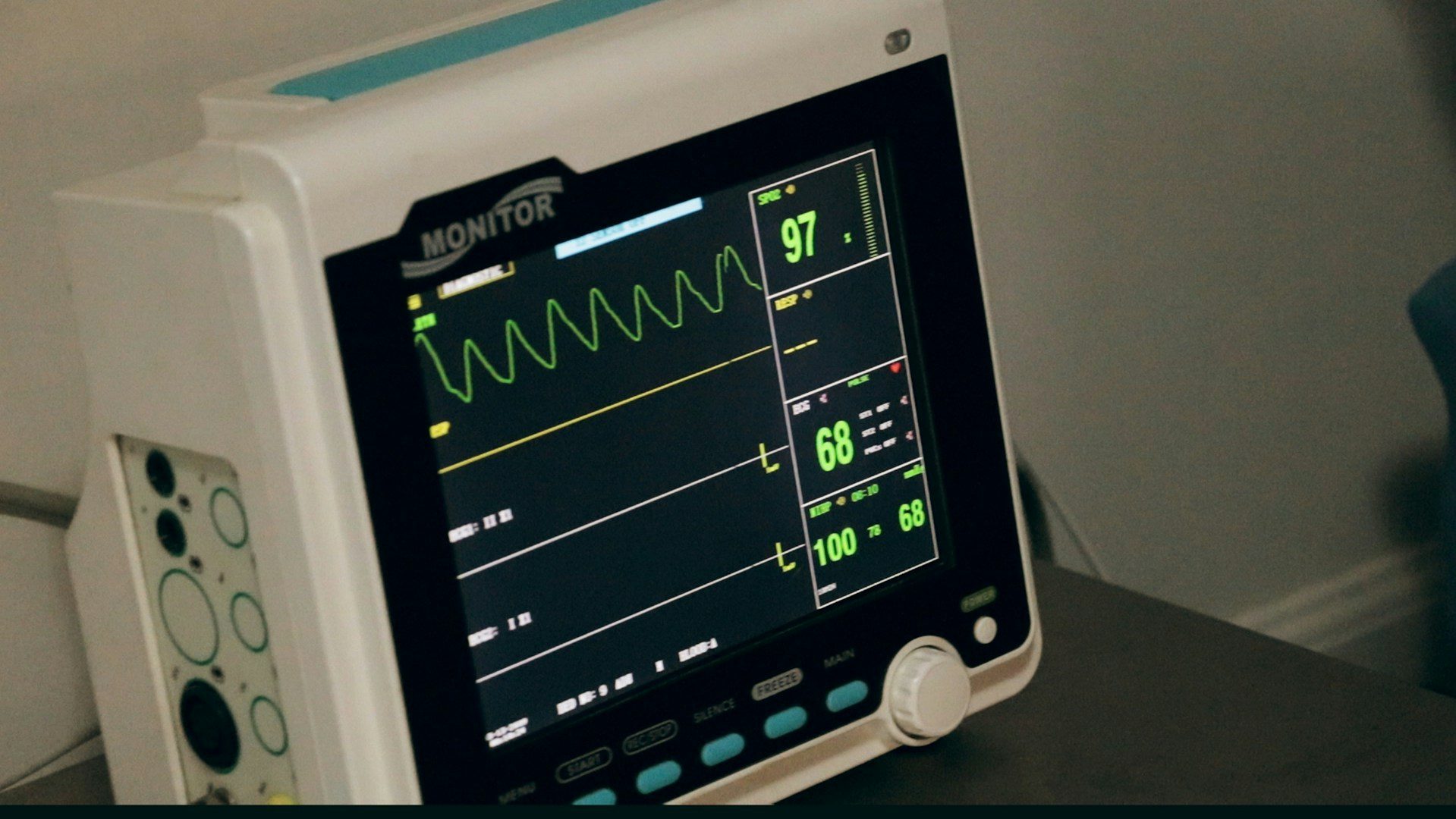 ━━ Symptoms may vary, but the risk is the same for men and women. Therefore, if you suspect a heart attack, call the emergency services immediately.
( Source: Jair Lázaro / Unsplash+ )
━━ Symptoms may vary, but the risk is the same for men and women. Therefore, if you suspect a heart attack, call the emergency services immediately.
( Source: Jair Lázaro / Unsplash+ )Are the differences really that significant?
According to statistics, chest pain during a heart attack is reported by about 90% of men. This means that a relatively high percentage of men can still suffer from the problem even without it. But what is more interesting is that the latest research confirms that the proportions are roughly the same for women. 90% of them normally have pain during a heart attack.
So, although it is often said in general that the symptoms are different and that heart attacks are often underestimated in women, the reality is that both men and women are very similarly affected. And the bottom line is that in both cases, at the slightest suspicion of the problem, it is important to react quickly. Whether you wait for chest pain at your mom or dad’s, grandma’s or grandpa’s, friend’s or boyfriend’s, in all cases you are just risking their health, or even their life, unnecessarily.


 A. Urban
 L. Novak
 O. Müller
