

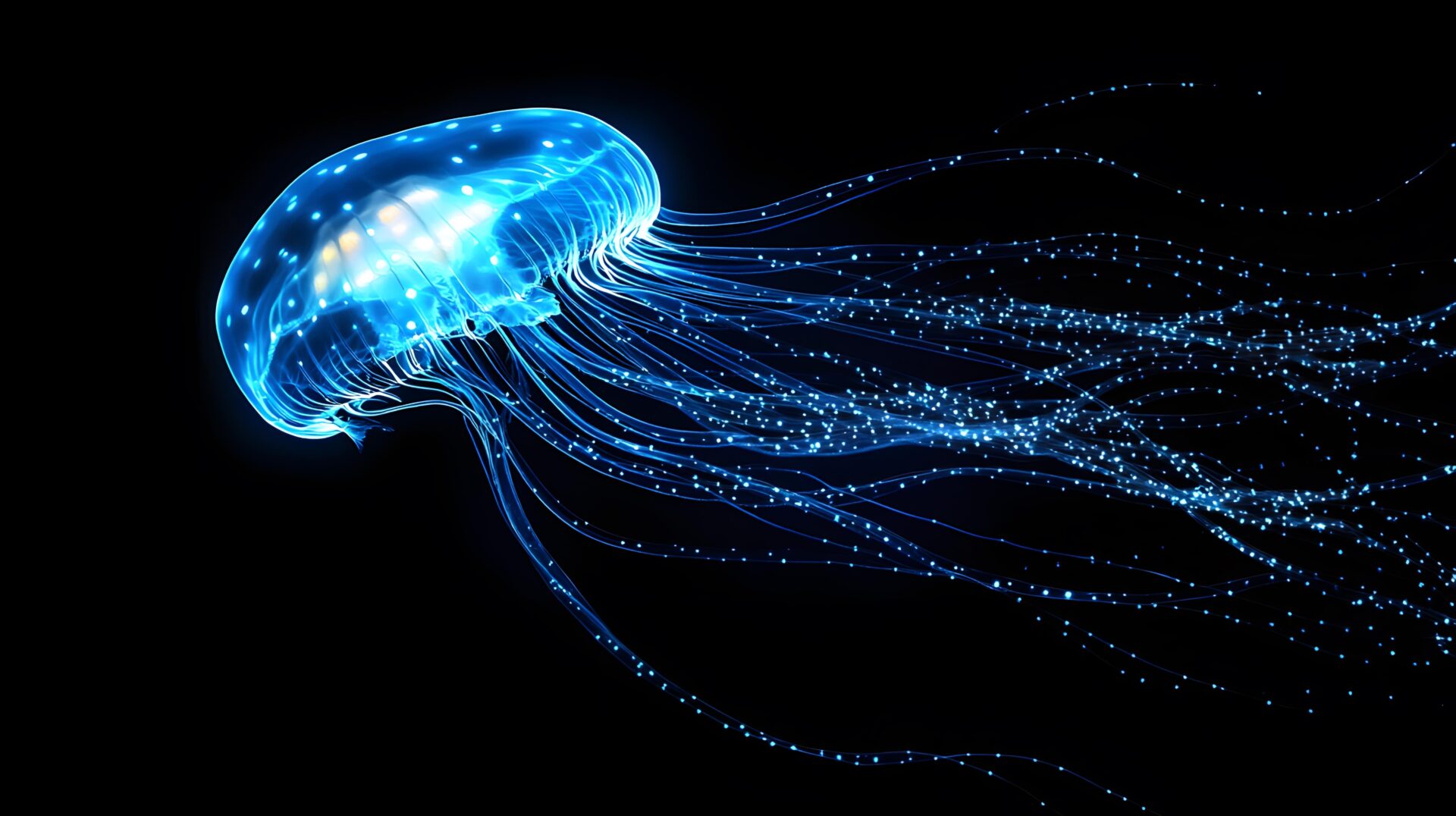
No swimming or lying on the beach. Beaches in the popular tourist areas of Thailand are closed. The reason is simple. The authorities want to protect tourists from marine animals. Not sharks, but the much smaller blue jellyfish. They’re relatively small, but dangerous to humans. Stabbings can be more serious, especially for children.
Closed beaches
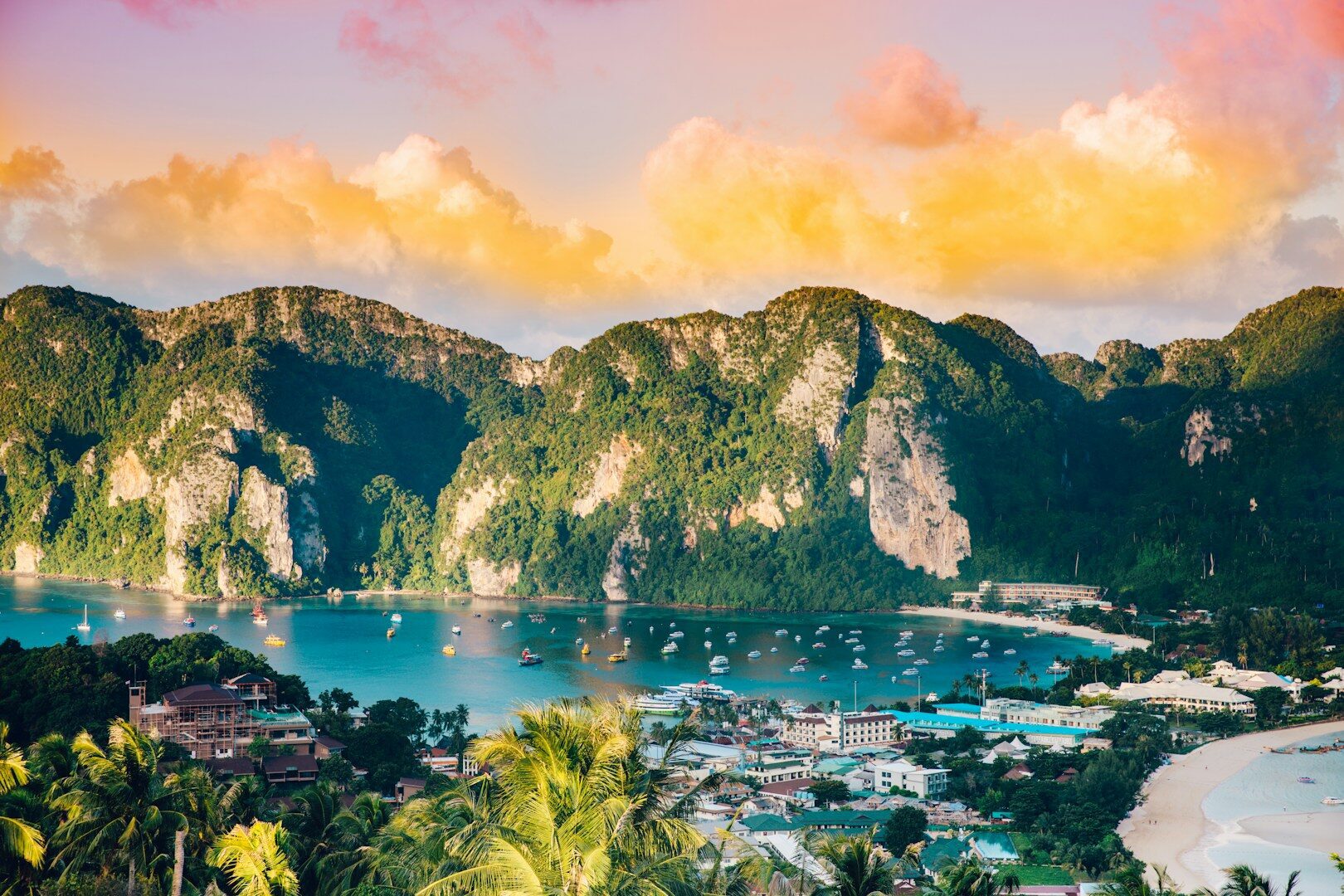
The beaches in the Similan archipelago, where people mainly go for day trips from the Phuket area in southern Thailand, are closed. This archipelago can be found about 70 kilometres from the coastal province of Phang Nga. The biggest problem is on Koh Miang, the southern island of the archipelago, where the situation is now being monitored by the national park authority. Access to the beach is closed for the time being until further notice. Many tourists are probably shaking their heads at the fact that the beach is closed because of the blue jellyfish. I’m sure they’re thinking, “Just watch out.” But honestly. Who wants to deal with something like a jellyfish sting on vacation. Especially if it involved children, who are often targeted by these marine animals for a simple reason. They’re inquisitive.
Porpita porpita
The blue button is a marine organism consisting of a colony of hydroids. It can be found in the warmer areas of the Pacific and Indian Oceans, and also in the Mediterranean or Arabian Sea. This animal is quite small. It grows to a maximum of three centimetres and lives on the surface of the sea. It consists of a float and pores.
 ━━
( Source: Evan Krause / Unsplash+ )
━━
( Source: Evan Krause / Unsplash+ )What to do after a burn
If you are stung by a jellyfish, you should first wash the wound with sea salt water. It is certainly not advisable to use plain fresh water from the tap. A solution of seawater and vinegar can also ease the pain. It is probably appropriate to say that the sting is by no means fatal. It can cause discomfort and pain. However, it usually goes away without serious complications.
If the symptoms get worse or the sting covers a large area, then it is better to seek professional medical help. Sensitive individuals should ideally avoid touching jellyfish altogether. Be cautious. Although jellyfish washed up on the beach may look lifeless and dead, their tentacles can still sting. It is certainly not appropriate for children to examine washed up jellyfish.
There are more dangerous jellyfish
In Thailand, although some beaches are closed because of the number of button jellyfish that have appeared in one place, in the final analysis they are not that much of a danger to humans. There are much more dangerous jellyfish that should be avoided. For example, a box jellyfish sting can be much more serious. There have been fatalities reported in this case, and unfortunately they have all involved children.
After all, children should be taught not to touch any jellyfish. “Mummy, the jellyfish, it’s beautiful,” I hear my daughter say, who is not afraid of anything and is fascinated by living creatures. It is very clear to me that she would like to pet it. And she knows it shouldn’t be done. But she’s only five years old. Sometimes she forgets. Sometimes she just wants to see for herself if her parents are telling the truth. It’s not a bad idea to remind such children every day before coming to the beach what is really dangerous and not to try.


 Šárka Cvrkalová
 A. Urban

 O. Müller
