

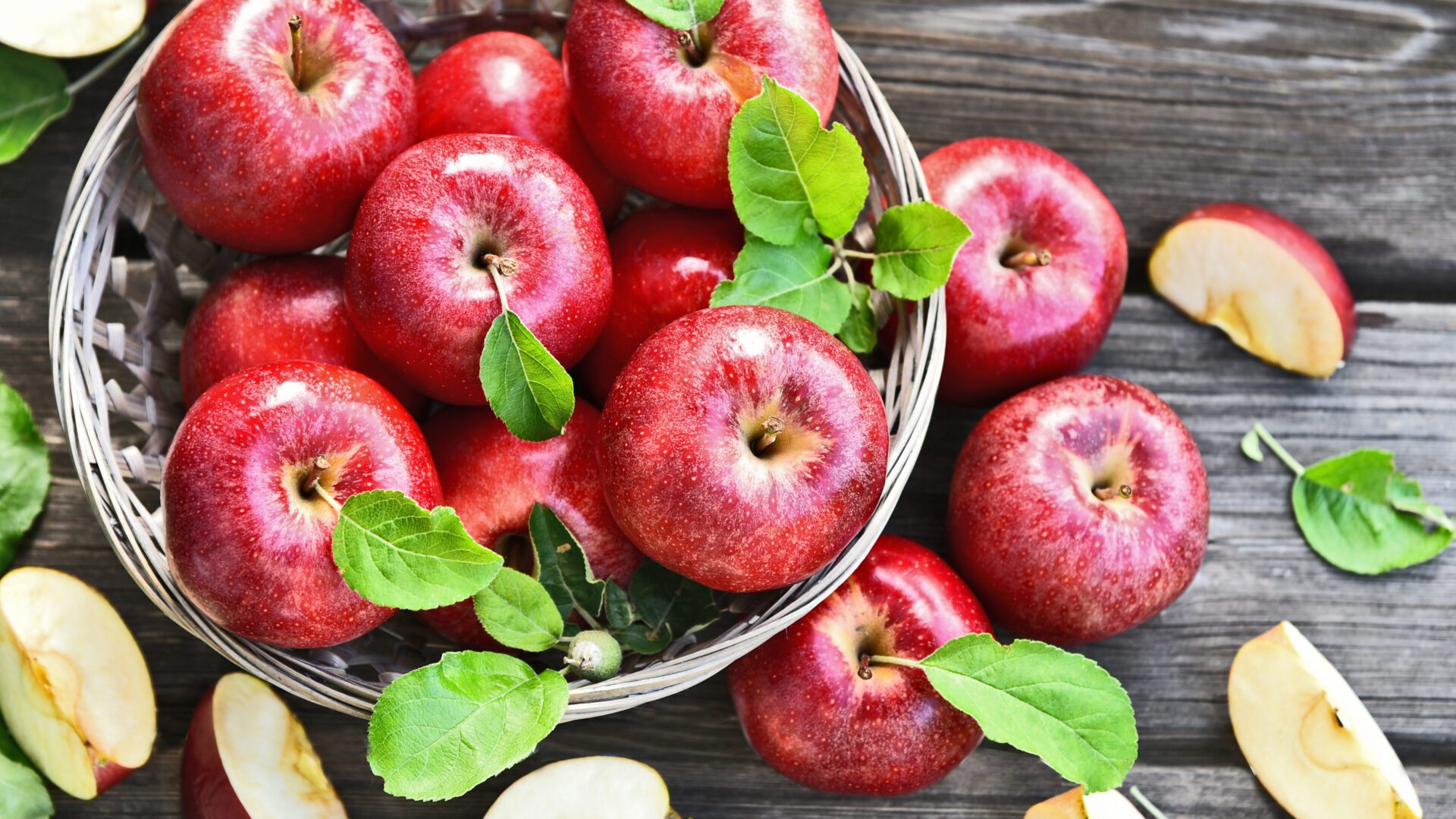
Apples are a common part of a healthy diet because they are rich in vitamins and other substances that benefit the body. However, research suggests that they are not as healthy as you might think. In fact, many apples grown in European countries contain a cocktail of many toxins.
Although you eat apples in good faith as a healthy part of your diet, you are often unknowingly ingesting large amounts of toxins. In order to keep the market functioning well, cultivation often focuses on quantity rather than quality. Therefore, large growers use harmful pesticides that turn apples into a chemical bomb.
Apples carry pesticide residues
According to the Guardian, a coalition of NGOs called PAN Europe, which campaigns against the overuse of pesticides, had the chemical composition of 60 apples analysed. The different varieties come from 13 European countries, including Spain, France, Italy and Poland.
The findings were worrying, as around 85% of the apples tested were found to contain traces of pesticides and seven other chemicals. Of these, 71% of the apples carried traces of pesticides, which are described as among the most dangerous in the EU. Of all the apples tested, 64% also contained PFAS, a group of so-called perpetual chemicals that accumulate in the environment and in everyday products.
 ━━ Fruit may not be as healthy as many people think.
( Source: MERCURY studio / Shutterstock )
━━ Fruit may not be as healthy as many people think.
( Source: MERCURY studio / Shutterstock )Are apples suitable for consumption?
The revelations have led to serious debates about the safe consumption of apples. The issue was addressed by Coalition official Martin Dermine, who criticised the European Food Safety Authority for its lack of food safety controls. He said that if apples were tested for their suitability for children, 93% would probably be banned because they exceed the permitted levels of pesticides. He also expressed concern about whether apples exposed to pesticides were even suitable for placing on the market and then for consumption.
“For children under the age of three, the EU regulation takes a precautionary approach and sets strict limits for pesticide residues in processed foods to protect their development. Young parents are unaware that feeding their children fresh conventional fruit or vegetables significantly increases their exposure to pesticides, sometimes by more than 600 times. Public authorities should inform them and promote organic food as a priority,” points out Gergely Simon, PAN Europe activist.
Pesticide use
But why are pesticides so widely used when they are harmful to human health? First and foremost, they serve as protection against diseases, especially apple scab, and pests that can damage leaves, flowers and fruit. However, experts point out that the public is little aware of how pesticides affect health. ” There is growing scientific evidence that pesticide exposure through food is linked to infertility and possibly cancer. The constant exposure of citizens to mixtures of toxic substances through food, air or dust is not being taken into account; this important issue must be addressed by regulators, ” points out Gergely Simon. PAN Europe is also advocating for stricter enforcement of current rules and better health protection.


 Šárka Cvrkalová

 L. Novak
 O. Müller
